
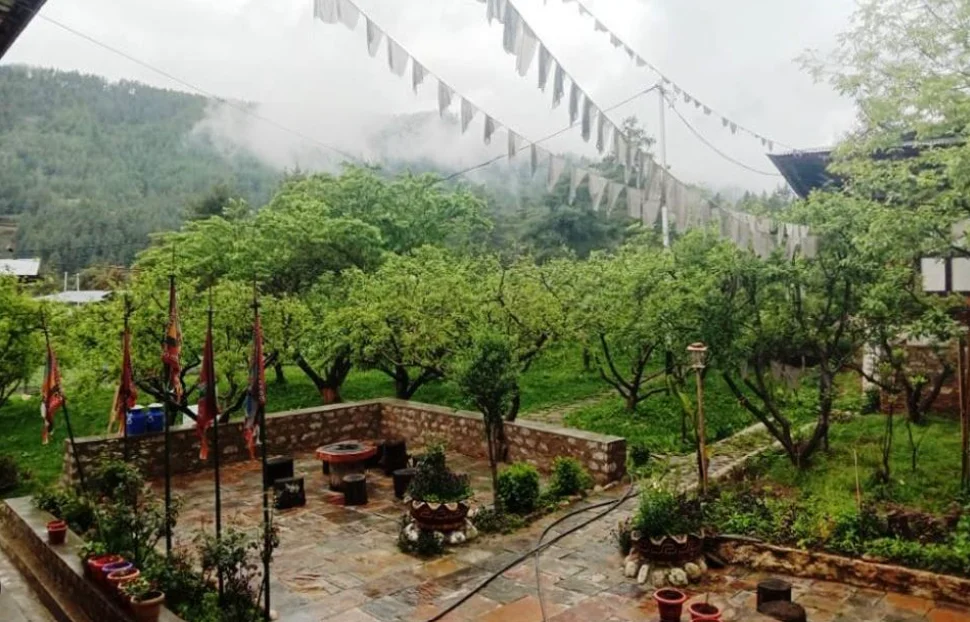
Most people ask “is Bhutan worth visiting” for one reason: the price tag looks intimidating before they’ve even booked a flight. I get it. Between the daily government fee and the requirement to travel with a licensed operator, Bhutan doesn’t look like your average Southeast Asia backpacking trip — and it isn’t supposed to. In this guide, we’ll walk through the real costs, the genuine trade-offs, and exactly who Bhutan is (and isn’t) right for in 2026, so you can decide with your eyes open rather than relying on a glossy brochure. If you’ve been searching for a straight answer on Bhutan worth visiting 2026, this is the honest, no-fluff version.
Table of Contents
Quick Facts: Bhutan at a Glance (2026)
- Sustainable Development Fee (SDF): $100 per person, per night (locked until August 2027)
- Visa fee: $40 per person, one-time
- Typical daily tour package: $200–$350 per person, per day, all-inclusive
- Best months to visit: March–May and September–November
- Entry requirement: Must book through a licensed Bhutanese tour operator (Indian, Bangladeshi, and Maldivian nationals follow a separate process)
- Signature sites: Tiger’s Nest Monastery, Punakha Dzong, Dochula Pass, Phobjikha Valley
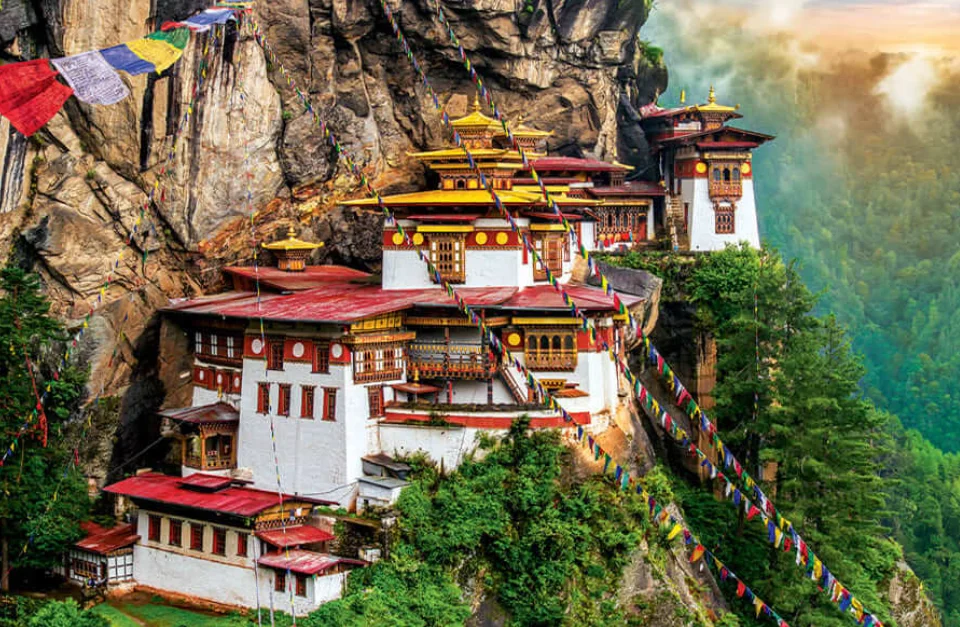
So, Is Bhutan Worth Visiting in 2026? The Short Answer
Yes — but only if you’re traveling for the right reasons. If you want a destination you can tick off quickly with cheap hostels and unlimited nightlife, Bhutan will frustrate you. If you’re drawn to genuine cultural depth, dramatic Himalayan scenery, and a country that has deliberately chosen quality over crowds, then is Bhutan worth visiting stops being a question and becomes an obvious yes. Bhutan remains one of the only nations on earth that caps and controls tourism on purpose, and that single decision shapes everything about the experience you’ll have there. Weighing Bhutan worth visiting 2026 against a beach holiday or a city break only makes sense if you’re honest about which kind of traveler you actually are.
Why Bhutan Feels Different From Anywhere Else in Asia
Over 70% of Bhutan is still covered in forest, and that isn’t a marketing line — it’s a constitutional mandate. The country enshrined environmental protection into law decades before “sustainable tourism” became a buzzword elsewhere. Villages here haven’t been rearranged for photo opportunities, monks aren’t performing rituals for cameras, and festivals happen because they matter to the community, not because a tour bus is due to arrive. That authenticity is precisely why is Bhutan worth visiting comes up so often in travel forums: people sense that what they’re being sold elsewhere as “authentic” has already been staged, while Bhutan simply hasn’t needed to.
The Gross National Happiness Philosophy
Bhutan is the birthplace of Gross National Happiness, a development framework that prioritizes wellbeing, culture, and environmental balance over pure GDP growth. You’ll feel this philosophy in small ways — unhurried mealtimes, guides who genuinely want to talk about Buddhist philosophy rather than rush you to the next stop, and a general absence of the hard-sell tourism you find elsewhere in the region. Even government policy reflects this mindset: development projects are evaluated not just on economic output but on how they affect community wellbeing, cultural preservation, and the natural environment. It’s one of the strongest arguments in favor of Bhutan worth visiting 2026, since few destinations left build their entire national strategy around this kind of balance.
Wildlife and Landscape You Won’t Find Elsewhere
Bhutan’s protected forests are home to species that have become rare almost everywhere else in Asia, including the red panda, the takin (Bhutan’s unusual national animal), and small populations of Bengal tigers that roam at surprisingly high altitudes. Because so much of the country sits within protected zones, wildlife sightings and untouched forest trails feel incidental rather than staged for tourists. This is another reason is Bhutan worth visiting keeps coming up in conversations about responsible, low-impact travel — the country’s conservation record isn’t a marketing angle, it’s a measurable outcome of decades of policy.
Breaking Down the Real Cost (This Is Where People Get Confused)
The most common hesitation around is Bhutan worth visiting comes down to money, so let’s be precise about it. Anyone researching Bhutan worth visiting 2026 will run into the same number early on: the Sustainable Development Fee.
| Cost Item | 2026 Rate | Notes |
|---|---|---|
| Sustainable Development Fee | $100/person/night | Government fee, non-negotiable |
| Visa fee | $40/person | One-time, per entry |
| Tour package (guide, driver, hotel, meals) | $200–$350/person/day | Varies by season and hotel tier |
| International flights to Paro | Varies by origin | Book early — limited daily flights |
For a 7-night trip, that’s roughly $700 in SDF, $40 in visa fees, and $1,400–$2,450 for your tour package — before flights. It’s a real number, and it’s fair to hesitate at it. But unlike many destinations where you pay per attraction, per meal, and per transfer, this figure covers your guide, driver, accommodation, and all meals. There’s very little hidden spending once you land, which is a detail that rarely makes it into the glossy brochures answering is Bhutan worth visiting.
It helps to compare this against a typical week in Thailand or Nepal, where the sticker price looks lower on paper but adds up quickly once you factor in individual entry tickets, private transport, tipping culture, and the temptation to upgrade activities on the fly. In Bhutan, the all-inclusive structure means your budget is essentially locked in before you land, which many travelers find easier to plan around than a destination where costs creep upward day by day. When people ask is Bhutan worth visiting despite the higher upfront number, this predictability is usually the detail that changes their mind.

Who Bhutan Is Actually Worth It For
Bhutan rewards a specific kind of traveler, and being honest about this upfront saves people money and disappointment. This is really the crux of Bhutan worth visiting 2026: it’s less about the destination and more about who you are as a traveler.
Bhutan is worth visiting if you:
- Want genuine cultural immersion over checklist sightseeing
- Enjoy trekking, mountains, and slower travel paced around nature
- Are curious about Buddhist philosophy and monastic life
- Value a destination that isn’t overrun with visitors
- Are planning a milestone trip and want something memorable rather than convenient
Bhutan may not be worth it if you:
- Want nightlife, beaches, or fast-paced city energy
- Are traveling on a tight backpacker budget
- Need last-minute, unplanned spontaneity (Bhutan requires advance permits)
- Get frustrated without constant Wi-Fi or Western conveniences everywhere
Best Time to Visit Bhutan in 2026
Timing matters more than most first-time visitors realize when weighing Bhutan worth visiting 2026. Spring (March–May) and autumn (September–November) are the two windows locals and operators recommend most, and it’s easy to see why. Skies clear up, temperatures sit in a comfortable range for trekking, and Bhutan’s major festivals — including the Paro Tshechu and Punakha Drubchen — tend to fall in these months. Visiting during these seasons also means Tiger’s Nest Monastery is far more photogenic, since the surrounding cliffs aren’t shrouded in monsoon cloud cover.
Shoulder Season Advantage
Traveling in late November or early March often means smaller crowds at major dzongs while still catching decent weather — a smart trade-off if you’re weighing is Bhutan worth visiting against a tighter budget, since hotel rates dip slightly outside peak weeks.
Insider Tips Most Guides Won’t Tell You
- Ask your operator to build in at least one full “no itinerary” day — Bhutan rewards slowing down, and rigid back-to-back sightseeing misses the point of the trip.
- Bumthang, Bhutan’s spiritual heartland, is often skipped on short itineraries but offers some of the most peaceful monastery visits in the country.
- Pack layers regardless of season — temperature swings between valley floors and mountain passes like Dochula can be dramatic within the same day.
- Request a guide who speaks openly about Buddhist customs rather than reciting dates and names — the difference in experience is significant.
- If budget is a concern, traveling with 2–3 companions can meaningfully lower your per-person tour package rate.

Trekking and Festivals: The Experiences That Push Bhutan From “Nice” to “Unforgettable”
If you only visit the dzongs and monasteries, Bhutan is beautiful. If you add a trek or time your trip around a festival, it becomes something you’ll talk about for years, and it’s usually this layer of the trip that tips Bhutan worth visiting 2026 from a cautious maybe into a firm yes. The Druk Path trek, a moderate 4–6 day route between Paro and Thimphu, passes alpine lakes and yak herding camps most day-trip visitors never see. For travelers with more time, the Jomolhari trek pushes closer to Bhutan’s border with Tibet, with views of one of the country’s most sacred peaks.
Festivals, known locally as tshechus, are where Bhutan’s living culture is most visible. Masked dances performed by monks tell stories from Buddhist mythology, and entire communities gather in traditional dress for days of celebration. The Paro Tshechu in spring and the Thimphu Tshechu in autumn are the two most accessible for visitors, and timing a trip around either is one of the simplest ways to turn a good Bhutan trip into an exceptional one. Ask your operator early, since festival-season accommodation books up faster than the rest of the year.
What a 7-Day Itinerary Actually Looks Like
A well-paced first trip typically covers Paro, Thimphu, and Punakha, hitting Tiger’s Nest, the Thimphu weekend market, Buddha Dordenma, and Punakha Dzong, with time built in for the Dochula Pass viewpoint along the way. This route balances culture, scenery, and moderate hiking without overwhelming first-time visitors, and it’s the itinerary most licensed operators, including Bhutan Cultural Tours, recommend as a starting point before adding treks or festival timing.

Frequently Asked Questions
Is Bhutan worth visiting for a first-time Asia traveler?
Yes, though it’s a different kind of trip than typical Southeast Asia travel. Bhutan suits travelers who want depth and cultural context over budget backpacking, and a licensed guide makes the experience far richer for first-timers.
Is Bhutan expensive compared to other Himalayan destinations?
It’s pricier upfront than Nepal or northern India, largely due to the Sustainable Development Fee, but the all-inclusive nature of Bhutan’s tour packages means fewer surprise costs once you’re on the ground.
How many days do I need in Bhutan to make it worth it?
Five to seven days is enough to cover Paro, Thimphu, and Punakha comfortably. Ten or more days lets you add Bumthang or a moderate trek like the Druk Path.
Is Bhutan safe for solo travelers?
Very much so. Crime rates are low, and since you’ll travel with a licensed guide and driver throughout, solo travelers often find Bhutan easier and safer than fully independent trips elsewhere in Asia.
Do I need a visa before arriving in Bhutan?
Yes, aside from Indian, Bangladeshi, and Maldivian nationals. Your licensed tour operator handles the visa and SDF payment as part of the booking process before you fly.
What’s the biggest mistake first-time visitors make in Bhutan?
Overpacking the itinerary. Travelers who try to see every major site in three or four days often leave exhausted rather than inspired. Building in rest days and shorter driving distances makes a noticeably bigger difference to how much you enjoy the trip than adding one more monastery to the list.
Can I customize my Bhutan itinerary, or is it a fixed package?
Modern Bhutan tourism is far more flexible than it used to be. Licensed operators like Bhutan Cultural Tours can build itineraries around your pace, interests, and budget rather than offering only rigid, pre-set group tours, so you can weight your trip toward trekking, festivals, or slower cultural immersion depending on what draws you.
Final Verdict: Is Bhutan Worth Visiting in 2026?
If you’ve read this far weighing is Bhutan worth visiting against the cost, here’s the honest takeaway on Bhutan worth visiting 2026: Bhutan isn’t the cheapest trip you’ll take, but it’s one of the few destinations left that hasn’t compromised its culture or landscape to accommodate mass tourism. The Sustainable Development Fee, the mandatory licensed guide, and the deliberate pacing all exist for a reason — they protect the very thing that makes the country worth visiting in the first place. For travelers seeking real cultural immersion, dramatic Himalayan scenery, and a destination that still feels genuinely itself, is Bhutan worth visiting has a clear answer: yes.
If Bhutan has been on your list, now is a good time to start planning. Bhutan Cultural Tours works directly with licensed local guides across Paro, Thimphu, Punakha, and Bumthang to build itineraries around your pace, budget, and interests — not a fixed template. Book your dream trip to Bhutan with Bhutan Cultural Tours and start planning today; the kingdom is waiting for you.


