
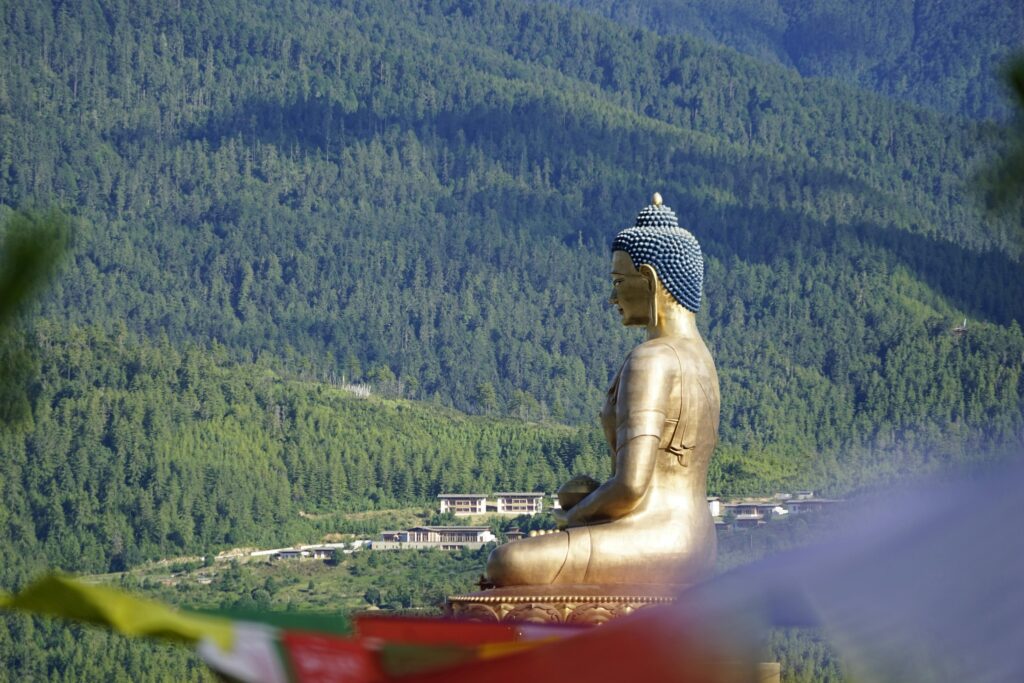
When you think of cultural experiences in Bhutan, Tiger’s Nest probably comes to mind first. But here’s what most travel guides won’t tell you: the real magic of this Himalayan kingdom lies far beyond that iconic cliff-hanging monastery. Bhutan has woven its spiritual traditions, ancient rituals, and warm hospitality into every valley, village, and temple courtyard. This guide reveals the 15 most authentic cultural experiences in Bhutan that will connect you deeply with the kingdom’s living heritage—the ones locals actually experience year-round, not just the monuments tourists photograph from a distance.
Table of Contents
⚡ Quick Facts: Cultural Experiences in Bhutan at a Glance
| Experience | Best Time | Duration | Accessibility |
|---|---|---|---|
| Tsechu Festivals | Mar-May, Sep-Nov | 3-5 days | Easy (no hiking) |
| Tiger’s Nest Trek | Sep-Nov, Mar-May | 3-4 hours | Moderate (steep) |
| Punakha Dzong Visit | Year-round | 2-3 hours | Easy |
| Thimphu Arts & Crafts School | Year-round | 2 hours | Easy |
| Traditional Farmstay | Year-round | Overnight | Easy |
| Bhutanese Cooking Class | Year-round | 3-4 hours | Easy |
| Monastery Prayer Ceremony | Year-round | 1-2 hours | Easy (modest dress) |
| Textile Weaving Workshop | Year-round | 2-3 hours | Easy |
| Dzong Architecture Tour | Year-round | 2-3 hours | Easy |
| Black-Necked Crane Festival | Nov 12 annually | 1 day | Easy |
1. Witness a Tsechu Festival — The Soul of Bhutanese Culture
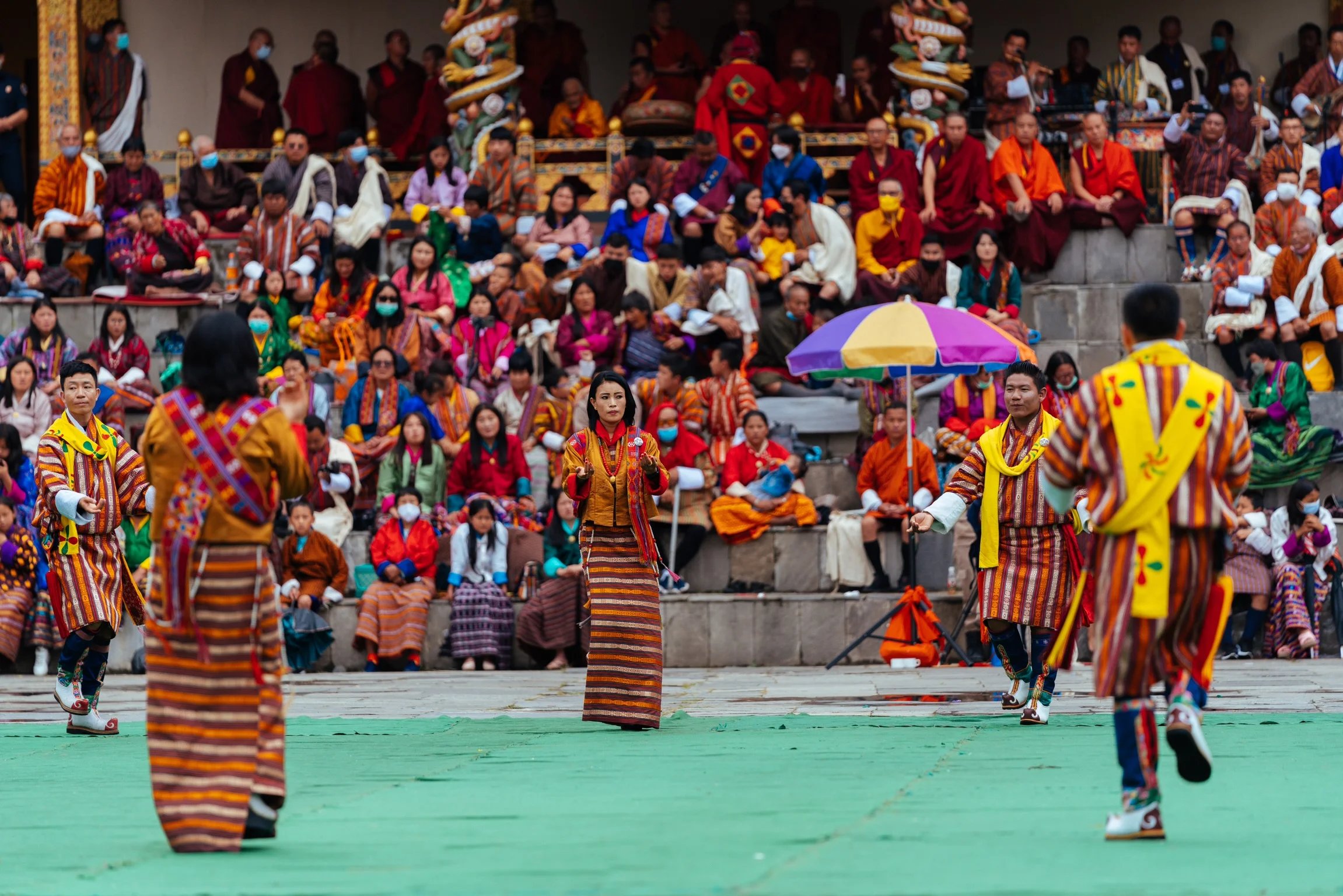
If you truly want to understand cultural experiences in Bhutan, you must witness a Tsechu festival at least once. These three-to-five-day spiritual celebrations happen throughout the year in different valleys, and they are not tourist performances—they are genuine acts of devotion where entire communities gather to accumulate merit and celebrate their spiritual heritage.
During a Tsechu, masked dancers perform elaborate Cham dances that tell stories of Buddhist teachings and Bhutanese mythology. The costumes are incredibly ornate: demons with red faces, peaceful deities in gold, and historical figures in vibrant silks. The music is hypnotic—long horns, drums, and cymbals create a soundscape that feels sacred and ancient. Paro Tsechu (March) and Thimphu Tsechu (September) are the most famous, but each region has its own celebration.
Insider Tip: Arrive early in the morning to secure a good view from the courtyard. Bring a cushion—you’ll be sitting for hours. The energy shifts throughout the festival; morning dances are more spiritual and solemn, while afternoon performances are joyful and sometimes humorous. Local families bring picnics and socialize; this is when you see the real Bhutan—not a monastery but a community expressing gratitude.
2. Stay in a Traditional Farmhouse — Experience Life as Locals Do
Farmstays are where cultural experiences in Bhutan become personal. Instead of a hotel, you stay with a Bhutanese family in their traditional wooden home, sleep in a room warmed by a wood-burning stove, and wake to the sound of prayer bells and roosters.
These farmhouses are architectural marvels: sloped roofs weighted with stones, walls decorated with religious paintings, and a central courtyard where livestock roam. The family will invite you to help prepare meals—chop chillies for ema datshi (cheese and chilli), stir the rice, or gather firewood. You’ll learn that Bhutanese hospitality isn’t staged; it’s genuine. Breakfast is thick, buttery butter tea and fresh bread. Dinners feature red rice, local vegetables, and stories told over the fireplace.
Cost: $40-60 USD per night including meals and guide fees (part of Bhutan’s daily tariff system).
Insider Tip: Request a farmstay in Punakha or Phobjikha Valley—these regions offer the warmest welcomes and the most authentic daily routines. Haa Valley farmstays are more remote and exclusive for experienced travelers seeking isolation.
3. Participate in a Monastery Morning Prayer Ceremony
No cultural experiences in Bhutan are more spiritually grounding than sitting in a monastery courtyard at 5 AM, watching monks chant sacred texts while incense smoke drifts through ancient stone walls. Changangkha Monastery in Thimphu and Taktshang (Tiger’s Nest) are well-known, but Gangtey Goempa in Phobjikha Valley offers an equally profound experience with fewer crowds.
Monks in maroon robes sit cross-legged in rows, their voices creating a harmonic resonance that feels otherworldly. The chanting can last 1-2 hours. You won’t understand the Tibetan Buddhist texts, but you’ll feel the reverence. After the ceremony, monks often invite visitors for butter tea and conversation in the monastery kitchen.
Important: Remove your shoes before entering. Dress modestly (shoulders and knees covered). Never point your feet toward religious objects or monks. Cameras are forbidden inside most monasteries—this is a reminder that some experiences are meant only for memory.
Insider Tip: Visit during the prayer ceremony rather than sightseeing hours. You’ll witness the true purpose of these spaces.
4. Learn Zorig Chosum — The 13 Traditional Bhutanese Arts and Crafts
Zorig Chosum—the 13 traditional crafts of Bhutan—represents the heart of cultural experiences in Bhutan. These include thangka painting (religious artwork on canvas), woodcarving, stone carving, blacksmithing, weaving, papermaking, and sculpture. Each requires years of study and mastery.
At the Institute of Zorig Chusum in Thimphu, you can watch young artisans work on these crafts and even take a short workshop. A thangka painting class teaches you the sacred geometry and symbolism behind each stroke. A woodcarving session shows you how monks create intricate altar decorations. A weaving workshop introduces you to the back-strap loom, the same tool Bhutanese women have used for centuries.
Cost: Workshops range from $30-80 USD depending on the craft and duration.
Insider Tip: If you want a deeper dive into cultural experiences in Bhutan’s craftsmanship, arrange a private session with a master artisan through your tour guide. These one-on-one experiences are transformative—you’ll learn not just the technique, but the spiritual meaning behind each craft.
5. Visit the National Textile Museum and Weaver’s Home
Bhutanese textiles are considered among the most beautiful in the world, with intricate patterns that take months to complete on a hand-loom. The National Textile Museum in Thimphu showcases gho and kira (traditional dress) from different regions, each with distinct patterns and color meanings.
But the real cultural experiences in Bhutan happen when you visit a weaver’s home in rural areas. You’ll see women working looms in their living rooms, their hands moving in rhythmic patterns, creating cloth that’s worth thousands of dollars. They’ll explain how different colors come from natural dyes—indigo from plants, reds from madder root, yellows from turmeric. Phobjikha Valley and Haa Valley have particularly renowned weavers.
Insider Tip: Buy directly from weavers, not from souvenir shops. You’ll get authentic pieces at fair prices, and 100% of your money supports the artisan family.

6. Taste Authentic Bhutanese Cuisine — Food as Culture
Cultural experiences in Bhutan aren’t complete without understanding Bhutanese food culture. The most iconic dish is ema datshi—fresh chillies cooked with yak cheese, served with red rice. Yes, it’s spicy. No, you can’t adjust the heat. Bhutanese people eat chillies the way other countries eat salt—not as a topping, but as the meal itself.
Other staples include phaksha paa (pork with radish), buckwheat pancakes, and momos (dumplings). Butter tea (suja) is sipped throughout the day—it’s made with yak butter, salt, and tea, and it’s an acquired taste. In rural areas, you’ll encounter dzeu (dried meat) and aru (rice wine), traditional foods that connect you to centuries of Himalayan living.
Best Experience: Join a cooking class in Thimphu or Punakha where a local chef teaches you to prepare three traditional dishes, then you eat what you’ve made. Cost is typically $50-70 USD including ingredients and a meal.
Insider Tip: Never refuse food offered by a Bhutanese family. Hospitality is sacred, and declining is considered rude. Even if ema datshi is too spicy, eat a bite—the gesture matters more than the comfort.

7. Attend a Puja (Prayer Ritual) at a Local Temple
Pujas are private or community prayer ceremonies held at temples and shrines throughout Bhutan. Unlike tourist-oriented services, attending a genuine puja is one of the most intimate cultural experiences in Bhutan because you’re invited into a spiritual moment, not observing a performance.
Monks perform ritual chants, make butter lamp offerings, and ring bells while reciting prayers for the deceased, for good harvests, or for healing. Laypeople sit nearby, participating silently. The atmosphere is peaceful, meditative, and deeply reverent. Chimi Lhakhang (the fertility temple in Punakha) hosts regular pujas where you can observe or participate.
Insider Tip: Ask your guide if any local family is hosting a puja during your trip. Family pujas are smaller, more personal, and often include tea and snacks afterward—a perfect moment to connect with locals.
8. Hike to a Remote Monastery — Solitude and Spirituality Combined
While Tiger’s Nest gets the crowds, dozens of equally stunning monasteries are scattered across Bhutan’s mountains. Druk Wangyal Monastery near Dochula Pass, Bumdrak Monastery, and Kila Gompa (a nunnery in Haa Valley) offer the same spiritual intensity without the tourist traffic.
These hikes take 2-4 hours and range from moderate to challenging, but the payoff is immense. You’ll walk through rhododendron forests, cross mountain streams, and arrive at monasteries that seem to float above the world. The silence up there is remarkable—just your breathing, prayer flags fluttering in the wind, and the vastness of the Himalayas.
Insider Tip: Visit during early morning to catch monks performing their daily rituals. Bring snacks and water, but keep them in your backpack—food near religious spaces should be discreet.

9. Participate in Bhutanese Archery — A National Tradition
Bhutanese archery isn’t a competitive sport; it’s a spiritual and social tradition. The targets are colorful wooden blocks placed 140 meters downhill, and scoring requires precision, focus, and a bit of luck. Nearly every village has an archery ground (dang), and local tournaments draw the entire community.
Taking an archery class is one of the most fun cultural experiences in Bhutan. You’ll learn the traditional bamboo bow technique, the chant archers sing before releasing an arrow, and why this skill has been passed down for centuries. Archery grounds are always lively—even during practice, people laugh, cheer, and celebrate near-misses. After your session, you’ll be invited for snacks and drinks, integrating you into the community instantly.
Cost: $20-40 USD per hour including bow rental and instruction.
Insider Tip: Archery tournaments happen most weekends, especially in spring and autumn. Ask your guide to take you to a local tournament—the energy is electric, and locals will welcome you warmly.
10. Explore Dzong Architecture and Learn Bhutan’s Fortress Heritage
Dzongs are magnificent fortress-monasteries unique to Bhutan, combining religious and administrative functions. Punakha Dzong (built in the 17th century), Paro Rinpung Dzong, and Tashichho Dzong in Thimphu are architectural masterpieces with intricate wooden details, whitewashed walls, and central towers called utse.
Visiting cultural experiences in Bhutan means understanding dzongs not just as buildings, but as living centers of governance, learning, and spirituality. Monks live in dzongs, government officials work there, and festivals are celebrated in their courtyards. Most dzongs are open to visitors during afternoon hours (mornings are reserved for official business and prayer).
Insider Tip: Hire a knowledgeable guide to explain the symbolism—the nine-sided tower represents Buddha’s nine levels of enlightenment; the dragons on the roof symbolize protection; the colors of the window frames represent different Buddhist teachings.
11. Experience a Hot Stone Bath — Ancient Healing Tradition
Hot stone baths are an integral part of Bhutanese culture, used for centuries to treat ailments and relax tired muscles. The process is simple: locals heat stones in a fire until they glow, then place them in a wooden tub filled with water and medicinal herbs like pine needles and juniper.
You’ll sit in the steaming water as stones are added, the heat building gradually. It’s deeply relaxing and often accompany conversations—this is when Bhutanese people open up and share stories. Most farmstays offer hot stone baths in the evening. Some upscale resorts have modernized versions, but the traditional village experience is far more authentic.
Cost: Usually included in farmstay rates; standalone baths cost $15-30 USD.
Insider Tip: Go in the evening after a day of hiking or sightseeing. The bath will ease your muscles, and the experience is incredibly grounding.
12. Visit During the Black-Necked Crane Festival (November 12)
Phobjikha Valley becomes magical every November when black-necked cranes migrate from the Tibetan plateau. These rare, endangered birds spend winter in the valley, and on November 12th, the community celebrates their arrival with a festival featuring mask dances, prayers, and cultural performances.
Witnessing these elegant cranes in flight against Himalayan peaks is one of Bhutan’s most unforgettable cultural experiences in Bhutan. The festival celebrates conservation, spirituality, and the Bhutanese commitment to protecting wildlife as part of their religious duty.
Insider Tip: Stay in Phobjikha Valley for the festival. The atmosphere is celebratory but authentic—not commercialized. The festival runs for one day, so plan your trip accordingly.
13. Learn About Bhutan’s Gross National Happiness Philosophy
Gross National Happiness (GNH) is Bhutan’s guiding principle—prioritizing wellbeing and spiritual fulfillment over economic growth. Visiting cultural experiences in Bhutan means understanding this philosophy isn’t theoretical; it shapes every policy, every law, and every Bhutanese person’s worldview.
Visit the Gross National Happiness Centre in Thimphu to learn the four pillars: sustainable development, cultural preservation, environmental conservation, and good governance. Talk to Bhutanese people about how GNH influences their daily decisions. This intellectual and spiritual framework is what makes Bhutan different from any other destination.
14. Explore Local Markets and Bazaars
Thimphu’s weekend market and local bazaars in Paro, Punakha, and Bumthang offer authentic cultural experiences in Bhutan that no tourist-focused site can replicate. Here, locals buy fresh vegetables, dried chilies, yak cheese, and traditional fabrics.
You’ll see farmers selling produce directly, weavers displaying their textiles, and butchers preparing fresh meat. Conversations happen in Dzongkha (the national language), money is exchanged in Bhutanese Ngultrum, and the pace is entirely non-touristy. Shopping alongside locals gives you a genuine sense of daily Bhutanese life.
Insider Tip: Bring cash—many small vendors don’t accept cards. Photograph respectfully; some vendors prefer not to be photographed, so ask first.
15. Visit Haa Valley — Bhutan’s Hidden Cultural Heartland
Haa Valley is one of Bhutan’s least-visited regions, and that’s precisely why it offers some of the most authentic cultural experiences in Bhutan. Located near the border with Tibet, this glacial valley has its own dialect, unique architectural style, and festivals like the Haa Summer Festival that few tourists ever witness.
Traditional houses here are older and more ornately decorated than elsewhere. The community is close-knit, welcoming, and genuinely curious about visitors. You’ll see prayer flags at nearly every corner, encounter monks and nuns regularly, and feel the spiritual pulse of the region without the overlay of commercialism.
Cost: Include 2-3 days in Haa during a multi-week Bhutan itinerary.
Insider Tip: Hire a local guide from Haa rather than using a guide from another region. Local guides have family connections and can introduce you to experiences unavailable through standard tourism channels.
Comparison: Standard vs. Authentic Cultural Experiences in Bhutan
| Experience Type | Tourist Route | Authentic Route | Cost Difference |
|---|---|---|---|
| Monastery Visit | Tiger’s Nest + Paro Dzong (crowded) | Gangtey + Druk Wangyal (quiet) | Same ($0) |
| Festival | Watch from behind ropes | Sit with locals in courtyard | Lower (less premium pricing) |
| Meals | Hotel restaurant | Farmstay + cooking class | Same ($0) |
| Textiles | Souvenir shop markups | Visit weaver directly | 50% cheaper |
| Archery | Paid lessons | Local tournament + community game | Same cost |
| Accommodation | 4-star resort | Traditional farmhouse | 60% cheaper |
Frequently Asked Questions About Cultural Experiences in Bhutan
Q1: What’s the best time to visit Bhutan for cultural experiences in Bhutan? Spring (March-May) and autumn (September-November) are ideal for festivals and clear skies. However, cultural experiences in Bhutan happen year-round. Winter offers fewer tourists and deep snow views; monsoon season (June-August) brings lush greenery but frequent rain.
Q2: Do I need special visas or permits for cultural experiences in Bhutan? All international tourists (except Indian, Bangladeshi, and Maldivian nationals) need a visa sponsored by a licensed tour operator. Bhutan requires visitors to book through operators like Bhutan Cultural Tours to arrange visas, hotels, and guides. Daily tariffs ($290-350 USD depending on season) apply to all visitors.
Q3: Are cultural experiences in Bhutan accessible for older adults or those with mobility issues? Yes, many experiences are. Monastery visits, farmstays, archery, cooking classes, and market visits don’t require hiking. Dzong visits involve some stairs but are manageable. Discuss mobility needs with your tour operator when booking.
Q4: Can I participate in religious ceremonies, or am I just observing as a tourist? You can participate respectfully. Sit with locals during pujas, accept their offerings of tea and snacks, and follow their lead. However, you cannot enter certain temple innermost chambers or handle sacred objects. Your guide will clarify boundaries.
Q5: How much do cultural experiences in Bhutan cost beyond the daily tariff? The daily tariff ($290-350 USD) includes accommodation, meals, transportation, and a guide. Additional cultural activities—cooking classes ($50-70), archery lessons ($20-40), textile workshops ($30-80)—are add-ons. Many cultural experiences (festivals, monastery visits, bazaar exploration) are included or free.
Q6: Will I miss out on cultural experiences in Bhutan if I don’t speak Dzongkha? Not at all. Your licensed guide speaks English fluently and acts as a cultural interpreter. Many younger Bhutanese speak English. Non-verbal communication—smiling, observing, participating physically—transcends language barriers during shared experiences.
Pro Tips for Maximizing Cultural Experiences in Bhutan
Dress Respectfully: Cover shoulders and knees when visiting religious sites. Wearing a gho or kira (traditional dress) is appreciated and often encouraged during festivals—your tour operator can arrange rentals.
Arrive Early: Beat crowds by visiting monasteries and dzongs in early mornings or late afternoons. Prayer ceremonies begin at dawn; witness them firsthand rather than during busy tourist hours.
Learn Basic Phrases: Memorizing “Tashi Delek” (hello), “Kadrin Che” (thank you), and “Tenkyu” (excuse me) in Dzongkha creates immediate connection and respect.
Give Gifts Thoughtfully: Small gifts (notebooks, pens, photos from your home country) are appreciated by families hosting you. Avoid gifting leather or items with animal images.
Support Local Economy: Buy directly from artisans, eat at family-run restaurants, and hire local guides. Tourism revenue should benefit Bhutanese communities.
Respect Photography Boundaries: Ask before photographing people, especially monks and during ceremonies. Some experiences are meant to be felt, not documented.
Conclusion: Why Cultural Experiences in Bhutan Transform Travelers
Cultural experiences in Bhutan aren’t just activities on an itinerary—they’re invitations into a living, breathing spiritual culture that has resisted commercialization and maintained its authenticity for centuries. Whether you’re witnessing a Tsechu festival, sitting in a farmhouse kitchen sharing butter tea, or walking a quiet trail to a remote monastery, you’re experiencing a way of life that prioritizes happiness, harmony, and spiritual growth.
Bhutan’s philosophy of Gross National Happiness isn’t just politics; it’s woven into every interaction, every tradition, and every landscape. The 15 cultural experiences in Bhutan outlined above will connect you to the heart of this kingdom—not the famous landmarks, but the people, rituals, and values that make Bhutan truly magical.
The best cultural experiences in Bhutan come when you slow down, listen, and allow Bhutan’s rhythm to become your own. This is where transformation happens.
Ready to experience the real Bhutan? Bhutan Cultural Tours specializes in crafting personalized cultural journeys that go far beyond the tourist trail. Our licensed guides are passionate about sharing their heritage, and our itineraries are built around authentic connections, not checkboxes. Whether you want to witness a Tsechu festival, stay with a local family, or explore Haa Valley’s hidden treasures, we’ll design an experience that honors Bhutan’s culture and leaves you forever changed.
Book your dream cultural tour with Bhutan Cultural Tours today — start planning your transformative journey to the Land of the Thunder Dragon. Every day in Bhutan is a lesson in happiness, and every cultural experience becomes a lifelong memory.


