
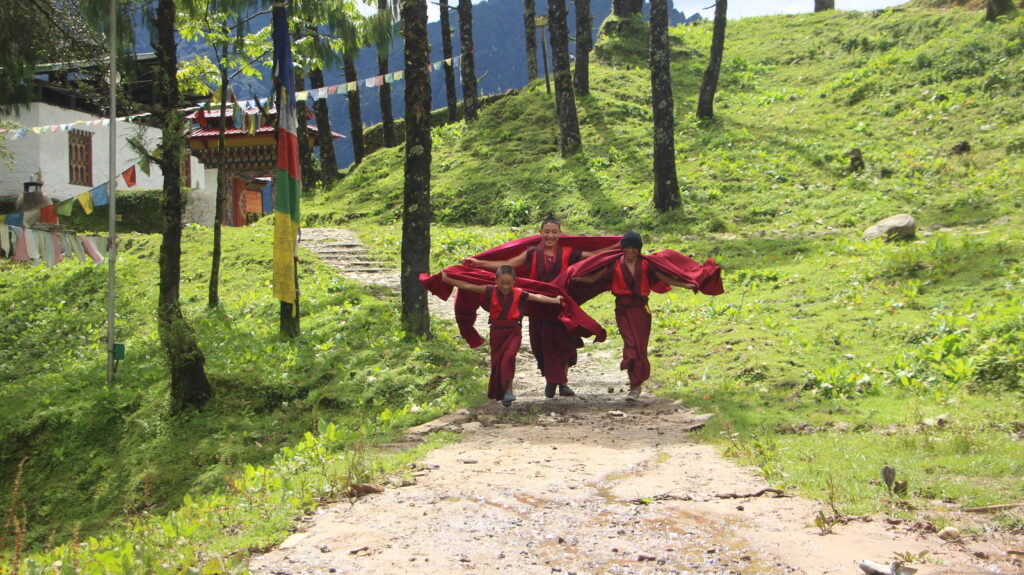
Most travelers hear the words “Bhutan Sustainable Development Fee” and immediately worry it’s just another hidden travel tax. It’s not. It is one of the most thoughtfully designed tourism policies in the world — and once you understand what it actually does, you’ll feel genuinely proud to pay it.
Table of Contents
The Bhutan sustainable development fee, or SDF, is a mandatory daily fee that every international tourist pays to the Bhutanese government as part of their visa process. In 2026, that fee sits at $100 USD per person, per night — exactly half of what it was when Bhutan reopened to tourists after the pandemic. This guide breaks down everything: the exact 2026 rates, who qualifies for discounts, what your money funds, how to pay it, and the honest truth about whether it’s worth it. If you’re planning a trip to this extraordinary Himalayan kingdom, this is the one resource you need to read first.
📋 Bhutan SDF — At a Glance (2026)
- Current SDF Rate: $100 USD per person, per night
- Valid Until: August 31, 2027
- Children under 6: Exempt (no SDF)
- Children ages 6–11: $50 USD per night (50% discount)
- Indian nationals: ~$15 USD (1,200 Ngultrum) per night
- Visa fee (separate): $40 USD per person, one-time
- Who collects it: Your licensed Bhutanese tour operator, at booking
- What it covers: Environmental conservation, healthcare, education, cultural preservation — NOT your meals, hotel, or guide
What Is the Bhutan Sustainable Development Fee?
The Bhutan sustainable development fee is a daily government levy paid by every tourist who enters the country on a tourist visa. It was introduced as part of Bhutan’s broader commitment to what the government calls “high value, low volume” tourism — a philosophy built on the idea that fewer, more mindful visitors create more meaningful experiences and cause less damage to the country’s fragile ecosystems and ancient traditions.
Unlike a standard airport tax or entry fee, the Bhutan sustainable development fee is directly tied to the kingdom’s Gross National Happiness (GNH) framework. GNH is Bhutan’s national policy compass — a development philosophy that weighs citizens’ well-being, environmental health, cultural vitality, and good governance equally alongside economic growth. Tourism, under this model, is only welcome if it contributes positively to all four of those pillars.
The SDF has been part of Bhutan’s tourism model since the country first opened its borders to international visitors in 1974, when just 300 tourists arrived in the entire year. Back then, the fee was modest. Over the decades it grew alongside Bhutan’s ambitions. In September 2022, as Bhutan reopened after two years of pandemic closure, the government raised the sustainable development fee bhutan to $200 per night — a bold signal that Bhutan wanted quality over quantity. A year later, in recognition of the global economic climate, they cut it by 50%, bringing the bhutan sustainable development fee to $100 per night, where it remains today.
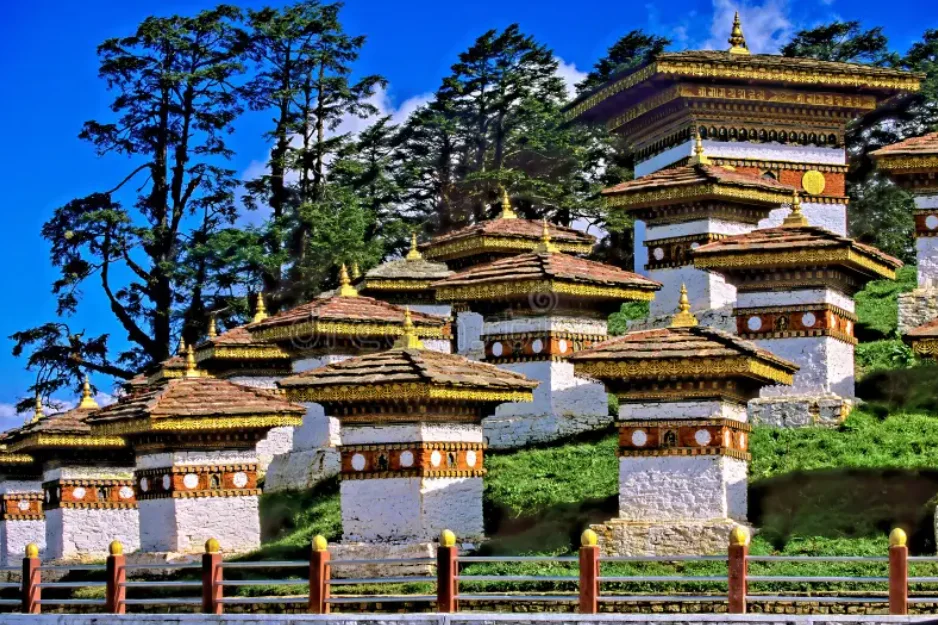
How Much Is the Bhutan Sustainable Development Fee in 2026?
The numbers are straightforward, but there are important distinctions depending on your nationality, travel group size, and the ages of travelers in your party.
SDF Rates for International Tourists
For the vast majority of travelers — those holding passports from countries outside India, Bangladesh, and the Maldives — the bhutan sustainable development fee is a flat $100 USD per person, per night. This rate was locked in from September 2023 and is confirmed until August 31, 2027. There are no group discounts, no long-stay discounts, and no negotiation possible — the government sets it, and it applies universally.
In addition to the SDF, every tourist pays a one-time visa fee of $40 USD per person per trip. This is not refundable and is paid separately from the sustainable development fee bhutan. If you are visiting Bhutan for 7 nights, your government fees alone total $740 USD ($700 SDF + $40 visa fee) per adult.
SDF Rates for Indian, Bangladeshi, and Maldivian Nationals
Travelers from India, Bangladesh, and the Maldives fall under a regional fee structure. For Indian nationals, the bhutan sustainable development fee is 1,200 Ngultrum per person per night — roughly equivalent to $15 USD. This significant difference reflects the close historical, cultural, and economic relationship between Bhutan and India.
Children and Family Discounts
Families traveling with children benefit from clear concessions on the bhutan tourism fee. Children aged five and under are completely exempt from the SDF — they pay nothing. Children between the ages of six and eleven travel at 50% of the adult rate, making their sustainable development fee bhutan $50 USD per night. From the age of twelve onward, the full $100 adult rate applies. Age is calculated at the time of travel, so check birth dates carefully when planning.

What Does Your Bhutan Sustainable Development Fee Actually Fund?
This is where the story gets genuinely inspiring. The bhutan sustainable development fee is not a profit-making exercise — it is the financial engine behind one of the world’s most ambitious national development models.
All SDF revenue flows directly into Bhutan’s national Consolidated Account, as mandated by Article 14 of the Bhutanese Constitution. From there, funds are allocated according to Bhutan’s Five-Year Plans, overseen by the Gross National Happiness Commission. The transparency here is remarkable — Bhutan publishes audited financial statements and detailed plan documents outlining exactly how the money is spent.
Free Healthcare and Education for Every Bhutanese Citizen
One of the most powerful uses of the bhutan sustainable development fee is the funding of universal free healthcare and education across the entire country. Every Bhutanese citizen — from the capital Thimphu to the most remote dzongkhag (district) — receives free medical care and free schooling from kindergarten through university. In a country with a population of fewer than 800,000 people and limited natural resource revenue, tourism is the second-largest income source for the government. The SDF makes this social promise possible.
Environmental Conservation and Carbon-Negative Status
Bhutan is the only carbon-negative country on Earth. It absorbs more carbon dioxide than it produces, thanks largely to its constitution-mandated minimum of 60% forest coverage. The sustainable development in bhutan depends on maintaining that status, and SDF funds are actively invested in environmental programs — forest management, river protection, wildlife conservation corridors, and clean energy infrastructure. When you pay the bhutan sustainable development fee, you’re directly contributing to the health of ecosystems that the rest of the world depends on.
Cultural Preservation and Infrastructure
Bhutan’s ancient dzongs, monasteries, traditional arts, and centuries-old festivals are not just tourist attractions — they are living cultural traditions actively practiced by the Bhutanese people. The sustainable development fee bhutan supports restoration of historical sites, the training of traditional craftspeople, and the preservation of languages, music, and ceremony. SDF also funds the road networks, bridges, and visitor infrastructure that make traveling safely through this mountainous kingdom possible.

How to Pay the Bhutan Sustainable Development Fee
The good news is that you don’t pay the bhutan sustainable development fee at a border crossing or customs desk. The process is clean and fully managed through your tour booking.
To enter Bhutan on a tourist visa, you must book through a licensed Bhutanese tour operator. That operator processes your visa application, and the sustainable development fee bhutan is paid as part of that process — before you travel. The SDF is submitted to the Tourism Council of Bhutan, and once it clears, your visa is approved. There is no separate counter to visit, no cash to carry to a border.
This means that when you’re comparing bhutan tour package cost from different operators, always confirm whether the quoted price includes the SDF or lists it separately. Some packages present the SDF inclusive price, others show the base tour cost and SDF as a separate line item. Both are legitimate — but knowing which you’re looking at matters enormously for your budget.
Important: The bhutan sustainable development fee does not cover your accommodation, meals, transportation within Bhutan, or guide fees. Those costs are part of your tour package and are priced separately by your operator.

Is the Bhutan Sustainable Development Fee Worth It?
This is the question that stops most people mid-scroll. $100 per night, on top of an already expensive destination — is it justified?
Here is the honest answer: yes, and the reasons go beyond charity.
The bhutan sustainable development fee is what keeps Bhutan, Bhutan. There are no McDonald’s in the Paro Valley. There are no overcrowded beach-style resort strips in Punakha. There are no souvenir markets suffocating the entrance to Tiger’s Nest Monastery. The deliberate, funded management of tourism through the SDF and the broader high-value, low-volume policy is precisely why Bhutan remains one of the few places on earth where authenticity is not a marketing word — it’s a lived reality.
Beyond the philosophical argument, there is practical value too. Your bhutan sustainable development fee covers free entry to all major temples, monasteries, and national museums across the country. There are no separate ticketing queues, no monument entry fees piled on top of your daily costs. Your SDF also covers internal road taxes and infrastructure use. For many travelers, especially those visiting multiple sites across the country over a 7- to 10-night itinerary, this bundled access represents real savings.
Sustainable development in bhutan is not an abstract policy term — it is the reason you can stand at the top of a cliff watching Taktshang Monastery emerge from the mist without a tour bus crowd pressed against you. That experience has a price, and it’s called the SDF.
Sustainable Development in Bhutan: The Bigger Picture
Understanding sustainable development in bhutan means understanding a country that has deliberately chosen a different path to prosperity. While neighboring countries chased mass tourism — and in many cases suffered overcrowding, pollution, and cultural dilution as a result — Bhutan made a constitutional commitment to Gross National Happiness long before “sustainability” became a global buzzword.
The bhutan sustainable development fee is the financial expression of that commitment. Tourism in Bhutan peaked at 315,600 international visitors in 2019 — a number considered carefully managed by the government, not a figure to be maximized at all costs. Compare that to Nepal’s Everest region, which welcomes millions of trekkers annually and is actively grappling with waste management crises and trail degradation. Bhutan’s model is fundamentally different, and the SDF is a core reason why.
As a traveler choosing to visit Bhutan in 2026, you are participating in a tourism system that genuinely reinvests in the place you are experiencing. That is rare. Appreciate it.
Practical Tips for Planning Around the Bhutan Sustainable Development Fee
Getting your budget right for Bhutan means factoring in the SDF accurately from day one. Here are the most useful things to know before you book.
Calculate your total SDF cost early. Multiply your number of nights by $100, then add $40 for your visa fee. A 5-night trip costs $540 in government fees alone per adult. A 10-night trip costs $1,040. Build this into your overall budget before comparing tour packages.
Check children’s ages carefully. If you’re traveling with a child who turns 6 or 12 during the trip, the SDF rate that applies is based on their age at the time of travel, not at the time of booking. Confirm this with your tour operator.
Confirm SDF inclusion in writing. When booking with any licensed Bhutanese tour operator, ask explicitly whether the sustainable development fee bhutan is included in the quoted package price. Request a clear invoice breakdown. A reputable operator will provide this without hesitation.
No group discounts exist. Even if you are traveling with a large group, there is no reduction in the bhutan sustainable development fee per person. It is a flat rate regardless of group size.
Book well in advance. The SDF must be paid as part of the visa application process, and visa processing takes time. Plan a minimum of four to six weeks ahead of your travel date, ideally longer for peak festival season travel such as the Paro Tsechu in spring or the Thimphu Tsechu in autumn.
Frequently Asked Questions
What is the Bhutan Sustainable Development Fee in 2026?
The Bhutan sustainable development fee in 2026 is $100 USD per person, per night for most international tourists. This rate was set in September 2023 as a 50% reduction from the previous $200 rate and is confirmed until August 31, 2027. Indian, Bangladeshi, and Maldivian nationals pay a separate regional rate of approximately $15 USD per night. The SDF is paid in advance as part of the visa application process through a licensed Bhutanese tour operator.
Is the Bhutan SDF separate from the tour package cost?
Yes. The bhutan sustainable development fee is a government levy paid directly to the Tourism Council of Bhutan and is entirely separate from your tour package fees. Your package covers accommodation, meals, guide, and transport. Some operators include the SDF in an all-inclusive total price; others list it separately. Always confirm which applies to your booking before signing any agreement.
What does the Bhutan Sustainable Development Fee pay for?
The sustainable development fee bhutan funds free healthcare and education for all Bhutanese citizens, environmental conservation programs (supporting Bhutan’s carbon-negative status), cultural preservation of monasteries, dzongs, and traditional arts, infrastructure development, and broader national development projects outlined in Bhutan’s Five-Year Plans. All SDF revenue goes into Bhutan’s national Consolidated Account under constitutional oversight.
Can I get a refund on the Bhutan SDF if I leave early?
Refund policies for the bhutan sustainable development fee depend on the circumstances of your departure and are handled through the Tourism Council of Bhutan. If you cancel your visa application before it is approved, SDF amounts may be credited toward a future application. The $40 visa fee, however, is non-refundable. If you shorten your stay after arrival, partial refunds may be possible — consult directly with your tour operator and the Tourism Council for the most current refund policy.
Are there any exemptions from the Bhutan Sustainable Development Fee?
Yes, certain categories of visitors are exempt from the bhutan sustainable development fee. Children under the age of six pay nothing. Hindu pilgrims attending the Gomkora festival in Trashi Yangtse and pilgrims visiting the Jayanti Mahakal temple near Phuentsholing may qualify for exemptions if they remain within designated areas. Nationals of Thailand and Switzerland traveling on diplomatic or official passports for official business (not tourism) are also exempt. Standard tourists do not qualify for any additional exemptions.
Does Bhutan still have a high-value, low-volume tourism policy?
Absolutely. Sustainable development in bhutan is built on this principle. The bhutan sustainable development fee is the most visible tool of this policy — by keeping the entry cost meaningful, Bhutan ensures that visitors are financially committed to the experience and that the country manages visitor numbers at a level that does not overwhelm its infrastructure, environment, or culture. The results speak for themselves: Bhutan remains one of the world’s least-spoiled travel destinations.
The Bottom Line on Bhutan’s Sustainable Development Fee
Three things matter most when planning your Bhutan trip around the SDF.
First, the bhutan sustainable development fee is $100 USD per person, per night in 2026 — confirmed until August 2027, with a 50% discount for children aged 6 to 11 and full exemption for those under six. Factor this in from the very first moment you start budgeting. Second, the SDF is not just a tax — it is the single most important financial mechanism keeping Bhutan extraordinary. Every dollar funds healthcare, education, environmental conservation, and cultural preservation in a country that has consciously chosen meaning over mass. Third, the fee is paid through your tour operator, not at the border — so working with a licensed, experienced agency makes the entire process seamless.
When you’re ready to start planning your Bhutan journey, Bhutan Cultural Tours is here to guide you through every step — from understanding the bhutan sustainable development fee structure to building an itinerary that makes every night count. Our team handles SDF payments, visa processing, and full trip logistics so you can focus entirely on experiencing one of the world’s last true Himalayan kingdoms. Book your dream trip with Bhutan Cultural Tours today — Bhutan is waiting for you, and it will be worth every dollar.


