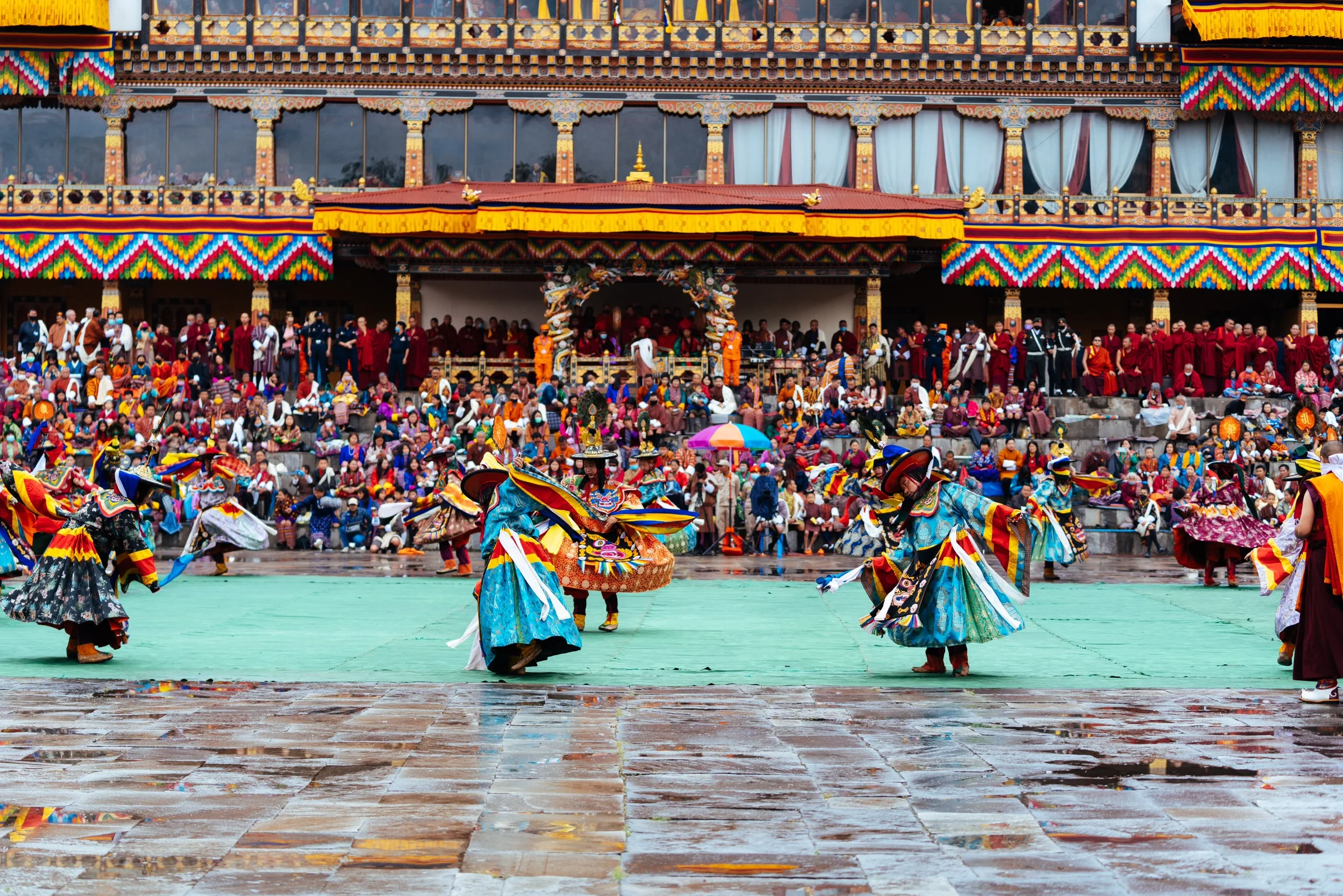
You arrive in Bhutan expecting temples and mountains. Instead, you find yourself standing in a monastery courtyard at dawn, surrounded by thousands of locals in traditional dress, watching monks in elaborate wooden masks perform rituals unchanged since the 17th century. This is Bhutan festivals—and it’s nothing like what most travel websites prepare you for. While tour operators focus on hiking and hotel luxury, they minimize the real magic: the spiritual ceremonies, the hidden festivals most tourists never see, and the exact logistics of planning around a lunar calendar that shifts every year. This guide changes that.
Bhutan celebrates over 150 festivals annually, each with specific dates, cultural significance, and rituals that honor Guru Rinpoche, the 8th-century saint who brought Buddhism to the kingdom. These celebrations—known locally as tshechus—are not performances staged for visitors. They are deeply spiritual occasions where pilgrims travel from remote villages, dress in their finest traditional silk, and participate in ceremonies believed to bring spiritual merit and cleanse accumulated karma. Attending even one transforms how you understand Bhutanese culture, spirituality, and the nation’s unique commitment to preserving faith over material wealth.
This is your complete roadmap to Bhutan festivals in 2026.
Quick Facts: Bhutan Festivals at a Glance
- Total annual festivals: 150+ throughout the kingdom
- Most popular for tourists: Paro Tshechu, Thimphu Tshechu, Punakha Tshechu
- Festival duration: 3–5 days (vary by location and type)
- Calendar system: Follows Bhutanese lunar calendar; dates shift annually
- Primary ritual: Cham dances (masked sacred dances) performed by monks
- Most sacred moment: Thongdrel unveiling (giant embroidered thangka) at dawn
- Entry fee: $12 USD per person per day (festival grounds)
- Best time to visit: Spring (March–April) and autumn (September–October)
- Cultural dress: Gho (men) and kira (women); tourists must dress conservatively
- Photography: Allowed, but ask permission first; some rituals are photography-restricted
What Are Bhutan Festivals? Understanding Tshechus and Sacred Celebrations
When Westerners hear “festival,” they imagine temporary entertainment. Bhutan festivals—called tshechus—represent something fundamentally different. Each tshechu is a religious ceremony held in honor of Guru Padmasambhava (Guru Rinpoche), the Indian saint credited with introducing Tantric Buddhism to Bhutan in the 8th century.
Most Bhutan festivals take place in the courtyards of dzongs—fortress-monasteries that serve as both administrative and spiritual centers. Monks and lay dancers perform intricate masked cham dances lasting hours, each movement and mask color encoding Buddhist teachings. The highest honor occurs on the final day when the Thongdrel—a massive embroidered thangka (silk painting) sometimes 100 feet tall—is unfurled before dawn. Pilgrims believe witnessing this sacred cloth directly washes away sin and grants spiritual merit. These are not staged performances. Locals genuinely believe attending brings blessings and advance spiritual enlightenment.
What makes Bhutan festivals unique: they reflect the kingdom’s entire value system. Bhutan measures progress not by GDP but by Gross National Happiness. Festivals embody this philosophy. They are times when material wealth becomes irrelevant, when remote farmers, government officials, and the royal family gather as equals, dressed in silk not to show status but to show respect for sacred occasions. Tour operators often rush past this meaning, focusing instead on photography and logistics. But understanding the spiritual foundation is what transforms a Bhutan festival from interesting to transformative.: The Lunar Calendar Challenge: Why Dates Change Every Year
Unlike Western celebrations fixed to Gregorian dates, all major Bhutan festivals follow the traditional lunar calendar. The Paro Tshechu, for example, occurs on the 10th day of the 2nd lunar month—which might be late March one year, early April the next.
This creates practical challenges for travelers. Confirmed festival dates are typically announced only 6–12 months in advance by Bhutan’s Central Monastic Body. Travel agencies work with projected dates, but shifts do happen. When booking a Bhutan festival tour, always ask your operator for the most recent lunar calendar confirmation and expect final dates might adjust slightly closer to travel.
Bhutan Festivals 2026: The Complete Calendar and Must-See Events
Punakha Tshechu — February 2026
Dates: February 22–28, 2026 (Punakha Drupchen) + Punakha Tshechu
Location: Punakha Dzong, western Bhutan
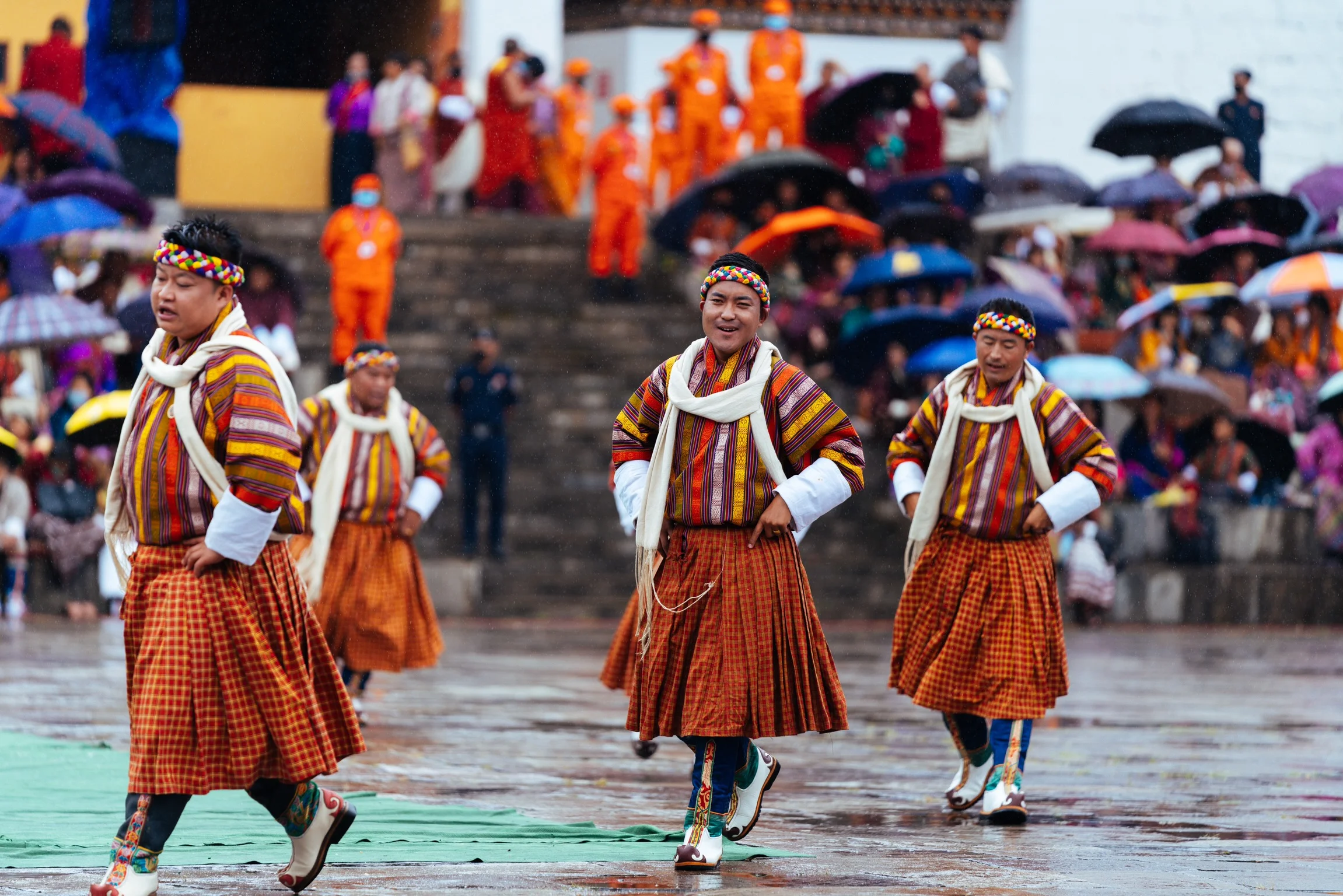
Why it matters: Punakha Tshechu honors Guru Rinpoche with 5 days of sacred cham dances. The Punakha Drupchen (February 22–25) preceding it showcases the famous “Warrior Dance” (Pazap), reenacting an ancient military victory from the 17th century. This is one of Bhutan festivals most connected to the kingdom’s martial history. Fewer international tourists attend than Paro or Thimphu, making it an authentic local experience.
What to expect: Masked cham dances, colorful processions, locals dressed in traditional gho and kira, monks chanting, and the final-day Thongdrel unveiling.
Paro Tshechu — March/April 2026

Dates: March 29 – April 2, 2026 (some sources say April 3)
Location: Rinpung Dzong courtyard, Paro Valley
Why it matters: Paro Tshechu is Bhutan festivals’ crown jewel. This 5-day celebration is the most photographed, most attended by international travelers, and most historically significant. Established in 1644, it draws pilgrims from across the kingdom. The courtyard becomes packed with thousands—pilgrims, monks, lay dancers, tourists, even members of Bhutan’s royal family. The final dawn unveiling of the giant Thongdrel is considered one of the world’s most powerful spiritual experiences by those who witness it.
What to expect: Five full days of continuous performances. On Day 1, the sacred Thongdrel is unfurled before sunrise (arrive by 4:00 AM). Subsequent days feature different masked cham dances: the Dance of the Cosmic Body, Dance of the Terrifying Deities, Dance of Protection. Between dances, atsaras (clowns) perform comic relief that makes entire crowds laugh. By Day 5, you’ll have seen ancient Buddhist narratives enacted in elaborate silk costumes and wooden masks carved to represent deities, demons, and animals.
Pro tip: Book accommodations and tours 4–6 months in advance. Paro Tshechu hotels fill entirely during this period. Expect premium rates (2–3x normal pricing).
Haa Summer Festival — July/September 2026

Dates: July/early September 2026 (dates not finalized; check closer to season)
Location: Haa Valley, western Bhutan
Why it matters: Unlike older tshechus, Haa Summer Festival is a modern celebration (20+ years old) focused on promoting local culture and tourism. It showcases Haa Valley’s unique nomadic herder traditions, traditional crafts, local cuisine, and folk performances. It’s less religious than other Bhutan festivals but deeply cultural—and far less crowded than Paro or Thimphu.
What to expect: Traditional song and dance, food stalls with authentic Bhutanese snacks, craft demonstrations, local sports competitions, rhododendron flowers blooming, and chances to interact directly with Haa Valley residents. Photography is more relaxed here than at major tshechus.
Thimphu Tshechu — September 2026

Dates: September 21–23 or September 27–29, 2026 (projected; confirm closer to travel)
Location: Tashichho Dzong courtyard, Thimphu (capital city)
Why it matters: Thimphu Tshechu is known as Bhutan festivals’ “national festival.” It’s the second largest gathering after Paro Tshechu and the most accessible if you’re based in Thimphu. The capital’s courtyard becomes a sea of color. This is also ideal for first-time visitors who want to see major cham dances without the intensity of Paro’s pre-dawn starts and massive crowds.
What to expect: The famous “Dance of the Stags” (Shawa Shachi), “Dance of the Terrifying Deities,” “Dance of the Lords of the Cremation Grounds,” and other sacred masked dances performed by monks. A stadium called Tendrel Thang was built in 2007 specifically to accommodate growing Thimphu Tshechu crowds, so seating is more organized than at older dzong courtyards.
Jambay Lhakhang Drup (Bumthang Tshechu) — October 2026

Dates: October 18–21, 2026 (projected)
Location: Bumthang Valley, central Bhutan
Why it matters: This is Bhutan festivals’ most unconventional celebration. Jambay Lhakhang Drup includes rare rituals not performed anywhere else: the Tercham (the famous “Naked Dance” performed at midnight by men, believed to bless infertile women with children) and the Mewang (Fire Blessing Ceremony where devotees leap through burning flames to purify themselves). If you’re seeking unique, spiritual experiences beyond standard cham dances, this is your festival.
What to expect: Standard cham dances during the day. At midnight on the final night, the Naked Dance occurs—men in brief loincloths performing ritual movements to bless the fertility of women in the crowd. The fire ceremony features actual flames and pilgrims voluntarily passing under flaming arches. This is intense, genuinely sacred, and unforgettable.
Cultural note: This festival is less tourist-oriented than Paro or Thimphu. Expect more pilgrims, fewer Western tourists, and deeper spiritual significance. Dress very conservatively and be prepared for genuine sacred ritual, not spectacle.
Black-necked Crane Festival — November 2026
Dates: Mid-November 2026 (projected around November 11)
Location: Gangtey Gonpa, Phobjikha Valley
Why it matters: Dedicated to the rare black-necked crane that winters in Phobjikha Valley. This newer Bhutan festival combines spiritual tradition (monks perform dances) with wildlife conservation. It’s a 2–3 day event in one of Bhutan festivals’ most beautiful natural settings.
What to expect: Monks performing cham dances in honor of the cranes, traditional performances, cultural activities, and the stunning backdrop of Phobjikha Valley with actual black-necked cranes visible in the wetlands during winter.
How to Actually Attend Bhutan Festivals: The Logistics Tour Operators Skip
Booking Requirements: You Cannot Show Up Alone
Here’s what travel websites don’t emphasize: international tourists (except Indian, Bangladeshi, and Maldivian citizens) cannot independently book hotels, arrange transportation, or buy festival ground access. You must book through a licensed Bhutanese tour operator. This is law, not suggestion.
Tour operators arrange: visa documentation, accommodations, festival ground reservations, local guide services, ground transportation, and meals. They also secure your Sustainable Development Fee (around $65–100 per day), which funds Bhutan’s education and healthcare systems.
Budget expectation for Bhutan festival tours:
- Basic package (shared tours): $120–180 USD per day
- Mid-range private tours: $200–350 USD per day
- Luxury packages: $400+ USD per day
These prices include accommodation, guide, transport, meals, and festival access. Paro Tshechu tours cost 40–60% more than average seasons due to demand.
Timing: Arrive Early, Stay Flexible
Most travelers arrive 1–2 days before the festival to acclimatize (Bhutan is high altitude: 7,000–11,000 feet). If the Thongdrel unveiling is your priority, you must be at the dzong by 4:00–5:00 AM on Day 1. This means an extremely early wake-up, but it’s non-negotiable for the most sacred moment.
Expect to spend 4–8 hours at the festival grounds daily. Some people stay for the entire day (dawn to sunset); others attend key hours. Your guide will advise based on which dances interest you.
What to Wear: Conservative Dress, No Exceptions
Bhutan festivals are sacred religious occasions. Dress respectfully: cover legs, shoulders, and avoid transparent fabrics. Women should wear knee-length skirts or pants. Men should wear long pants and shirts. Local color (deep blues, burgundies, earth tones) is appreciated. Avoid bright neon colors that distract from the ritual space.
The Bhutanese themselves dress in traditional gho (men) and kira (women) woven from silk. If you rent traditional dress from your hotel, you’ll feel more immersed and be treated with greater respect by locals.
Photography: Ask First, Respect Boundaries
Photography is generally allowed at Bhutan festivals. BUT:
- Always ask monks or performers before photographing them
- Never photograph during certain sacred rituals (your guide will point these out)
- No flash photography inside monasteries
- Some people prefer not to be photographed; respect this instantly
- Photographing the Thongdrel is allowed, but don’t block others’ views
Many travelers arrive with professional camera gear. This is fine—just be respectful and never position yourself where you’re obstructing pilgrims’ access to the sacred ritual space.
Insider Tips: What Tour Operators Miss
1. Arrive 3–4 Days Before the Festival
Most tourists arrive just before the festival starts. But the real magic happens before. Preparatory rituals, processions, monk rehearsals, and community gatherings occur in the days leading up. By arriving early, you see authentic preparation, not just the polished final performances.
2. Stay Overnight in the Festival City
Don’t commute from distant towns. Stay in Paro (if attending Paro Tshechu) or Thimphu (if attending Thimphu Tshechu). This lets you experience the pre-festival energy, visit local markets where people shop for traditional dress, and share morning meals with pilgrims heading to the grounds.
3. Skip the Premium Seating
Premium reserved seating costs extra but offers enclosed areas and cushioned chairs. Skip this. Sit with pilgrims on the ground or on basic benches. This is where the real community experience happens. You’ll eat snacks with strangers, hear them explain dances, and understand Bhutan festivals through their eyes, not from a separated “tourist section.”
4. Hire a Local Guide, Not a Multinational Tour Company
Large international tour companies are convenient but generic. They prioritize logistics, not understanding. Hire directly through a local Bhutanese guide who grew up attending these festivals. They explain symbolism, point out less-obvious rituals, and connect you with pilgrims.
5. Learn 5 Dzongkha Phrases
Bhutanese locals speak English, but trying their language—Dzongkha—shows respect. “Tashi Delek” (hello), “Namaste,” “Thank you,” “How are you?” — these simple phrases transform how people engage with you at Bhutan festivals.
6. Expect Sensory Overload
The music is loud (traditional horns and drums are deafening if you’re sitting close). The incense is heavy. The crowds are dense. Come prepared with sunscreen, water, hats, and realistic expectations about comfort. This is not a theme park. It’s an authentic religious ritual. Discomfort is part of the experience.
Frequently Asked Questions About Bhutan Festivals
What Time Should I Arrive at the Festival Grounds?
Arrive early—ideally 5:00–6:00 AM for Day 1. The Thongdrel unveiling (most sacred moment) happens at dawn before the sun rises. If you miss this, you’ve missed the spiritual heart of Bhutan festivals. For subsequent days, 9:00–10:00 AM is acceptable, but early arrival ensures good seating and full immersion.
Are Bhutan Festivals Safe for Solo Travelers?
Yes, absolutely. Bhutan is one of the world’s safest countries. Solo travelers often find Bhutan festivals especially rewarding because they naturally interact more with locals and other pilgrims. Your guide (mandatory for all tourists) will be with you. Solo female travelers report feeling completely safe attending these events.
Can I Attend Multiple Bhutan Festivals in One Trip?
Yes. Since Bhutan festivals are spread throughout the year (February through November), you could theoretically combine two festivals in a single trip. For example: Punakha Tshechu (late February) + Haa Summer Festival (July) + Jambay Lhakhang Drup (October). However, each requires separate tour operator bookings and adds cost. Most first-time visitors attend one major festival.
What’s the Difference Between a Tshechu and Other Bhutan Festivals?
Tshechus (like Paro Tshechu, Thimphu Tshechu) are religious festivals honoring Guru Rinpoche, performed by monks with traditional cham dances. Other Bhutan festivals include nature-focused events (Black-necked Crane Festival), regional celebrations (Haa Summer Festival), and archery competitions. Tshechus are the most spiritually significant.
Will I Understand What’s Happening if I Don’t Know Buddhism?
You don’t need prior Buddhist knowledge. Your guide will explain each cham dance, its symbolism, and the narrative it tells. What matters is openness and respect. You’ll grasp the core meaning: these ceremonies honor a saint, celebrate the kingdom’s faith, and unite the community spiritually. Understanding deepens over time, not before attendance.
How Do I Know if a Tour Operator is Licensed and Legitimate?
Bhutan’s government publishes a list of licensed tour operators. Ask your operator for their registration number and verify it at www.tourism.gov.bt or through official Bhutan tourism contacts. Avoid unlicensed “guides” offering cheaper deals. Licensed operators guarantee visa processing, legal accommodations, and legitimate festival access.
Can I Buy Festival Tickets on My Own?
No. Festival grounds are accessed only through registered tour operators. Individual ticket sales don’t exist for international tourists. Your operator handles all access, seating, and logistics. This ensures visitor management and maintains the sanctity of the festival space.
What If I Get Altitude Sickness at the Festival?
Bhutan festivals are held in valleys (generally 7,000–8,000 feet), not extreme altitude. Mild altitude symptoms are possible—headaches, mild fatigue. Cure: hydrate well, rest, avoid alcohol. Arrive 2–3 days early to acclimatize. If serious symptoms occur, your guide immediately arranges descent and medical consultation. Travel insurance covering medical evacuation is recommended.
Why Bhutan Festivals Matter More Than You Think
Attending a Bhutan festival is not entertainment. It’s witnessing a living spiritual tradition that has survived centuries virtually unchanged. While the rest of the world accelerates, commodifies, and digitizes, Bhutan festivals remain rooted in faith, community, and the belief that spiritual merit matters more than material wealth.
When you attend, you’re not separate from the event. You’re part of a 500+ year old ritual. Pilgrims believe your presence at the Thongdrel unveiling spiritually elevates you, whether you’re Buddhist or not. The cham dancers are not actors—they’re monks performing sacred meditations, their movements encoding teachings. The community members surrounding you traveled days from remote villages for this moment.
This is why Bhutan festivals transform travelers. Most vacations are consumption. These festivals are participation in something sacred. After attending one, your understanding of Bhutanese culture, spirituality, and what “celebration” means fundamentally shifts.
Planning Your Bhutan Festival Journey
Start planning 6–12 months before your target festival. Contact a licensed Bhutanese tour operator, confirm lunar-calendar dates, and discuss your specific interests (do you want extreme spiritual intensity like Jambay Lhakhang Drup, or the tourist-accessible splendor of Paro?). Your operator will tailor the full itinerary—which valley to visit first, what side trips to include, which festival days to attend fully.
Bhutan Cultural Tours specializes in festival-focused journeys. We design complete itineraries around your chosen Bhutan festival, coordinating accommodations at partner lodges, securing reserved festival seating, arranging expert local guides, and ensuring your Sustainable Development Fee and visa are processed seamlessly. Whether you’re attending Paro Tshechu’s sacred Thongdrel unveiling or the rare Naked Dance at Jambay Lhakhang Drup, we handle logistics so you experience the ritual without distraction.
Conclusion
Bhutan festivals represent something increasingly rare: a culture that has chosen to preserve ancient spiritual traditions over modern commercialization. The 150+ celebrations happening each year across the kingdom aren’t packaged tourist experiences—they’re genuine expressions of faith, community, and a nation’s commitment to Gross National Happiness over GDP.
Whether you attend Paro Tshechu in spring, Thimphu Tshechu in autumn, or one of the smaller regional tshechus, the experience fundamentally transforms how you understand culture, spirituality, and celebration itself. You’ll witness monks perform the same dances their ancestors performed 400 years ago. You’ll watch pilgrims travel from remote Himalayan villages to receive spiritual blessings. You’ll stand in a courtyard as a 100-foot-tall sacred thangka is unfurled before sunrise, and you’ll understand why the Bhutanese believe this single moment cleanses accumulated karma.
Start planning your Bhutan festival journey today with Bhutan Cultural Tours. We’ll turn your interest into reality—securing your spot at 2026’s most transformative cultural events, coordinating every logistical detail, and ensuring you experience these ancient celebrations with respect, preparation, and wonder. Book your dream trip now.