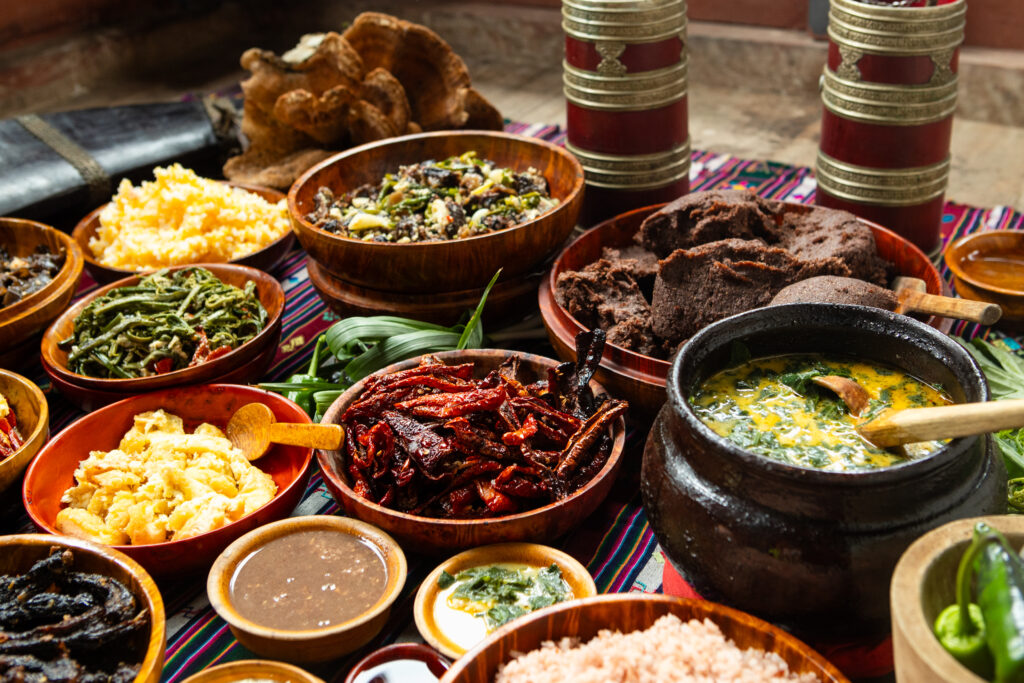
When I first arrived in Bhutan, I had no idea what to expect from the food. I’d read the blogs. I’d seen the photos of Ema Datshi. I thought I understood what Bhutan food would be like. I was completely wrong.
Over 30 days living and eating in villages, monasteries, and local homes across Bhutan, I discovered something most travel blogs miss entirely: Bhutan food isn’t just about what’s on your plate. It’s about understanding the story behind every dish, the philosophy woven into every meal, and the profound connection between the mountains, the people, and the table. This insider’s guide will give you what no blog tells you—the real Bhutan cuisine experience that will transform not just your trip, but how you travel.
What You Really Need to Know About Bhutan Food Before You Go
The first time I bit into Ema Datshi, I thought my mouth was on fire. Not just spicy—volcanic. I was sitting in a modest farmhouse in Bumthang, surrounded by smiling Bhutanese faces, all watching to see my reaction. What I learned in that moment wasn’t about the heat level. It was that Bhutan food is a test of openness, respect, and willingness to embrace the unexpected.
Here’s the truth nobody tells you: Bhutan food reflects the country’s highest philosophy—Gross National Happiness. It’s designed not for fancy presentation or Instagram perfection, but for genuine nourishment, community, and connection to the land. When you eat Bhutanese food, you’re eating the soul of a mountain kingdom that has protected its culture for centuries.
The foundation of Bhutan food is deceptively simple: chili (as a vegetable, not a spice), cheese, and rice. But within that simplicity lives extraordinary depth. Every region has its own variations. Every family has their own secret recipe. And when you understand the why behind each dish, you stop merely eating Bhutan food—you start experiencing Bhutan itself.
The Holy Trinity of Bhutan Food: Chili, Cheese, and Red Rice
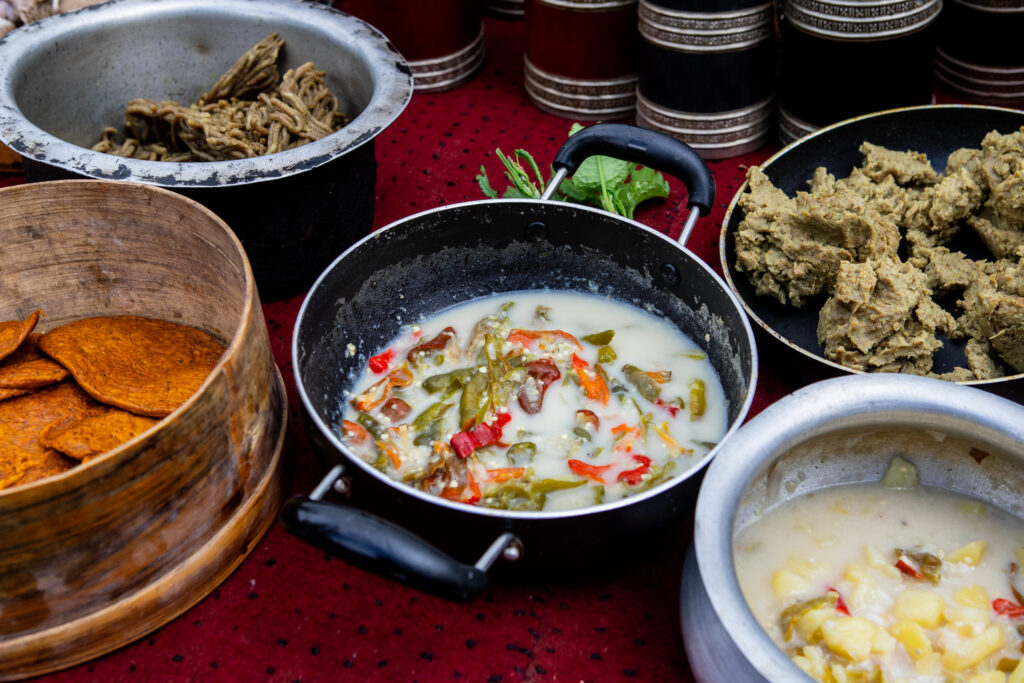
If you want to understand Bhutan food, you need to understand these three ingredients first. They appear in nearly every meal, and they tell the story of how Bhutanese people survive and thrive in the Eastern Himalayas.
Chili in Bhutan food is not a condiment. This is the most important thing to understand. In your home country, chili adds spice to a dish. In Bhutan, chili is the dish. Whole green chilies are simmered, stir-fried, and celebrated. Dried red chilies bring deeper, earthier heat. When locals ask if you like spicy food before serving you Bhutan food, they’re asking something much bigger: Are you ready to accept our culture as it is?
Datshi means cheese in Dzongkha, the Bhutanese language. This is yak cheese or cow’s milk cheese—creamy, slightly tangy, sometimes aged for months. The cheese in Bhutan food is rich, warming, and essential to surviving cold mountain winters. It provides the fat and calories needed for hard physical labor in high-altitude regions where temperature drops well below freezing.
Red rice is the grain that anchors every meal in Bhutan food tradition. Grown in the fertile valleys of Punakha and the high plateaus of Bumthang, this medium-grain rice is irrigated with glacier water rich in trace minerals. Unlike white rice, Bhutanese red rice contains anthocyanin antioxidants, fiber, magnesium, and potassium—nutrients that white rice has lost during refining. A single bowl of Bhutanese red rice contains more potassium than a bottle of Gatorade. It’s not just food; it’s medicine.
When chili, cheese, and red rice come together on your plate, you’re tasting 2,000 years of Himalayan survival wisdom.
The 15 Essential Bhutan Food Dishes You Must Try
1. Ema Datshi — The National Pride of Bhutan Food

This is the national dish of Bhutan food. Whole green or red chilies are simmered with creamy datshi cheese, sometimes with onion and garlic added for depth. The result is a fiery, cheesy stew that’s spicy, rich, and addictive.
Travel truth: When you arrive at your hotel, Ema Datshi will likely be your first Bhutan food experience. Ask your guide to request it “moderate” (Ama Atisisi in Dzongkha). Restaurants and homestays adjust spice levels for tourists without judgment.
2. Kewa Datshi — The Gentle Entry Point

Potatoes replace chilies here, creating a milder version of the national Bhutan food. Thinly sliced potatoes are cooked with cheese and butter, with a hint of chili for warmth. This is the dish that turns skeptics into Bhutan food lovers.
3. Shamu Datshi — For Mushroom Lovers
Mushrooms from high-altitude forests bring earthy depth to this Bhutan food classic. It’s vegetarian, warming, and proof that Bhutan food can be sophisticated without heavy meat.
4. Phaksha Paa — Pork Heritage
This is perhaps the most celebrated meat dish in Bhutan food history. Fatty pork is slow-cooked with dried red chilies, radish, and spinach until the fat renders into a rich, smoky broth. Pork was traditionally kept by farming families for warmth and calories. Phaksha Paa carries that heritage in every bite.
5. Jasha Maroo — Spiced Chicken Tradition
Minced chicken is seasoned with ginger, garlic, chilies, and fresh coriander. The ginger is what defines this Bhutan food—its essence brings comfort and warmth. Served over red rice with a chicken broth that’s savory and deeply flavored.
6. Shakam Paa — Sun-Dried Beef
This Bhutan food features thin slices of sun-dried beef that resembles jerky, stir-fried with dried chilies and radish. It’s chewy, salty, and concentrated—a single serving goes a long way. This is mountain food designed for endurance.
7. Hoentay — Buckwheat Dumplings
Found especially in Western Bhutan and the Bumthang region, these steamed dumplings are filled with greens and cheese. Buckwheat grows in high-altitude regions where other grains won’t, making this Bhutan food essential to mountain communities. The flavor is nutty and earthy, warming in ways rice cannot be.
8. Momos — The Beloved Street Bhutan Food

Steamed dumplings filled with pork, beef, or cheese and vegetables. They’re served with ezay, a fiery tomato-chili relish. Tourist mistake: don’t mistake ezay for chutney. It’s pure fire. Ask first.
9. Suja — Butter Tea, The Warming Bhutan Food Drink
This is butter tea made by churning strong black tea with yak butter and salt. It tastes nothing like Western tea—it’s savory, rich, and warming. Bhutanese drink it throughout the day, and locals will offer it as their highest hospitality. Accept it. It’s more than a drink; it’s connection.
10. Bhutanese Sweet Tea — Chai Comfort
When you need something gentler, ask for sweet chai. It’s milky, spiced, and deeply comforting. A bridge between Bhutan food culture and your home comfort.
11. Ara — Traditional Spirit
This is the local rice alcohol, sometimes dangerously strong. In Bhutanese culture, Ara appears at celebrations and ceremonies. One toast is tradition. Three toasts might mean you’ve become family.
12. Shakam Tshukpa — Dried Beef Soup
Thin slices of sun-dried beef in a broth with radish and greens. It’s what Bhutanese families eat on cold mornings. Light but deeply satisfying, this Bhutan food warms from the inside.
13. Fagu — Bhutanese Noodle Soup
Simple wheat noodles in broth with vegetables and sometimes meat. This is everyday Bhutan food—humble, nourishing, and completely unpretentious.
14. Red Rice & Buckwheat Porridge — Morning Bhutan Food
Not fancy, but essential. Roasted red rice or buckwheat grains are cooked down into a thick porridge and served with salty butter. This is what sustains farmers and trekkers.
15. Lom — The Preserved Radish
Dried radish that accompanies most Bhutan food meals. It’s salty, tangy, and provides vitamins and probiotics through traditional fermentation. Every meal needs Lom.
Quick Facts — Bhutan Food at a Glance
| Fact | Detail |
|---|---|
| National Dish | Ema Datshi (chili + cheese stew) |
| Spice Level | Very hot—but adjustable for tourists |
| Vegetarian Options | 60%+ of Bhutan food dishes are vegetarian (Buddhist culture) |
| Most Common Ingredient | Chili (treated as a vegetable) |
| Staple Grain | Bhutanese red rice (medium-grain, nutty flavor) |
| Traditional Cheese | Datshi (yak or cow’s milk, aged or fresh) |
| High-Altitude Grain | Buckwheat (Bumthang region) |
| Famous Drink | Suja (butter tea with yak butter) |
| Street Food | Momos (steamed dumplings with ezay chili sauce) |
| Cooking Method | Slow-cooked stews, steaming, stir-frying |
Is Bhutan Food Really That Spicy? The Honest Answer
Yes. And no.
The honest truth about Bhutan food is that spice levels are relative. If you eat chili regularly, Ema Datshi might feel manageable. If you’ve never eaten fresh green chili in your life, it will feel like your mouth exploded.
But here’s what matters: Bhutanese cooks understand this. When you’re eating at a restaurant, homestay, or with a guide, mention your spice tolerance upfront. Use the word “Ama Atisisi” (less chili). You’ll be respected, not judged. Bhutan food culture is about inclusion, not proving your toughness.
That said, there are genuinely milder Bhutan food options: Kewa Datshi, Shamu Datshi, and sweet chai will ease you into the experience without requiring you to suffer.
Bhutan Food and Buddhism: Why Vegetarian Options Matter

Bhutan food reflects the Buddhist principle of non-harm. While meat appears in Bhutan food dishes, it’s treated as an ingredient, not the centerpiece. Most Bhutanese eat meat sparingly, and the majority of daily Bhutan food is vegetarian.
This means vegetarian travelers will have abundance in Bhutan food culture. Kewa Datshi, Shamu Datshi, vegetable stir-fries, roasted vegetables, and legumes feature prominently. Rice, cheese, and vegetables form the backbone of most meals.
When you eat vegetarian Bhutan food, you’re not making do—you’re eating the way most Bhutanese families eat daily.
The Red Rice Revolution: Health Benefits of Bhutan Food’s Staple Grain
Red rice is the reason Bhutan food goes beyond tradition into modern wellness. Unlike refined white rice, Bhutanese red rice retains its bran layer, which contains:
- Anthocyanin antioxidants (the same compounds in blueberries) that fight free radicals and reduce inflammation
- High fiber content that supports digestive health and stable blood sugar
- Magnesium (more than white rice) that supports bone health and muscle function
- Low glycemic index, meaning it breaks down slowly and keeps you feeling full longer
- Gluten-free whole grain, suitable for all dietary needs
Studies show that people who swap white rice for red rice lose more body fat and maintain stable energy throughout the day. In Bhutan food culture, this wasn’t discovered in a lab—it was refined over thousands of years of mountain living.
The Real Bhutan Food Experience: Eating Like a Local
Here’s what no travel blog tells you: the best Bhutan food moments don’t happen in restaurants.
They happen when a local family invites you into their home. You sit low at a wooden table while the grandmother brings out a spread of 6 or 7 small dishes: Ema Datshi, roasted vegetables, lom, fresh rice, a meat dish, butter, and chili relish. Everyone eats from the center, sharing. Hands are used. Stories are told. There’s no formality—just genuine connection over food.
This is when you understand that Bhutan food isn’t a commodity to be photographed for social media. It’s the daily practice of gratitude, community, and respect for the land.
Insider tip: Ask your guide if there’s an opportunity to eat at a local home or farmhouse during your trip. This single meal will teach you more about Bhutan culture than a week of hotel meals.
FAQ — Bhutan Food Questions Answered
Q: What if I have a gluten allergy? Will I find safe Bhutan food? A: Yes. Red rice, vegetables, meat, and cheese form the basis of most Bhutan food, and these are naturally gluten-free. Inform your guide and hotel of your allergy. Buckwheat is also gluten-free and appears in hoentay and other dishes.
Q: Is Bhutan food expensive if I’m on a budget? A: Bhutan food in local restaurants is affordable. Red rice, vegetables, and simple meat stews cost $3–6 per meal. Tourist hotels are pricier, but your guide can recommend local spots where Bhutan food reflects real prices.
Q: Can I learn to cook Bhutan food at home? A: Absolutely. The ingredients are simple: chili, cheese (or use mozzarella as a substitute), red rice, and basic vegetables. Online recipes exist, but the real secret is spending time with a Bhutanese cook who understands the philosophy behind each dish.
Q: What’s the most important Bhutan food etiquette I should know? A: Always eat with your right hand, never waste rice (it’s sacred), and accept tea or food offered by locals as a gesture of respect. These aren’t rules—they’re invitations into Bhutanese culture.
Q: Is Bhutan food safe for travelers with sensitive stomachs? A: The food is safe. Spice can trigger sensitivities, but the actual ingredients are fresh and carefully prepared. If you have concerns, discuss them with your guide before meals. Bhutan food cooks will accommodate requests.
Q: Can I buy Bhutanese red rice or cheese to take home? A: Yes. Bhutanese red rice and datshi are available in Thimphu markets and specialty shops. These make excellent gifts and allow you to cook Bhutan food in your own kitchen.
Q: What does Bhutan food taste like if I’ve never eaten Himalayan cuisine? A: Bold. Warming. Honest. Imagine mountain food designed to provide energy and warmth in extreme cold, but prepared with genuine care and simple technique. It’s not fancy, but it’s deeply satisfying.
How to Prepare for Your Bhutan Food Journey
Before you arrive, let go of expectations. Bhutan food will surprise you. That’s the point.
Come hungry—not just for food, but for understanding. Ask questions. Taste things that seem unfamiliar. Laugh when the chili hits harder than expected. Accept invitations to eat with locals. Remember that every meal connects you deeper to the land and people.
When you book your Bhutan trip, tell Bhutan Cultural Tours about any dietary preferences or restrictions. Our guides know every restaurant, local home, and hidden gem where authentic Bhutan food is prepared with care. We’ll arrange meals that aren’t just delicious—they’re transformative.
The Ultimate Bhutan Food Truth
Here’s what I learned after 30 days eating my way through Bhutan: the food isn’t what makes the experience profound. It’s what the food represents.
Every meal is an act of hospitality and respect. Every dish carries the weight of thousands of years of mountain wisdom. Every bite connects you to a people who chose to preserve their culture, their land, and their values over rapid development.
When you eat Bhutan food, you’re not just tasting chili and cheese. You’re participating in Gross National Happiness. You’re honoring a philosophy that says what matters isn’t how much you have, but how deeply you live and connect with others.
That’s the truth nobody tells you about Bhutan food. And once you understand it, the journey becomes about so much more than travel.
Ready to Experience Authentic Bhutan Food?
Your Bhutan food journey deserves to be guided by people who understand the culture, the cuisine, and the philosophy behind every meal. Bhutan Cultural Tours specializes in creating itineraries where food is never just sustenance—it’s connection, education, and transformation.
We’ll arrange your meals with local families, guide you through markets where Bhutanese source their ingredients, introduce you to the stories behind each dish, and help you understand why Bhutan food is so much more than recipes and spice levels.
Book your dream Bhutan food journey today. Start planning with Bhutan Cultural Tours and eat your way into the heart of the Kingdom of Happiness.