
Bhutan does not forgive guesswork the way other destinations do. One overlooked form, one wrong season, one careless comment near a monastery, and a dream trip can turn stressful fast. Bhutan travel mistakes are almost always avoidable, but they catch first-time visitors off guard because Bhutan operates on rules that simply don’t exist anywhere else in the world.
This guide walks through the thirteen Bhutan travel mistakes we see most often, why they happen, and exactly how to sidestep every one of them before you land in Paro. Think of it as a practical list of things not to do in Bhutan, paired with Bhutan travel tips for first-time visitors who want the trip to feel effortless from the moment they book.
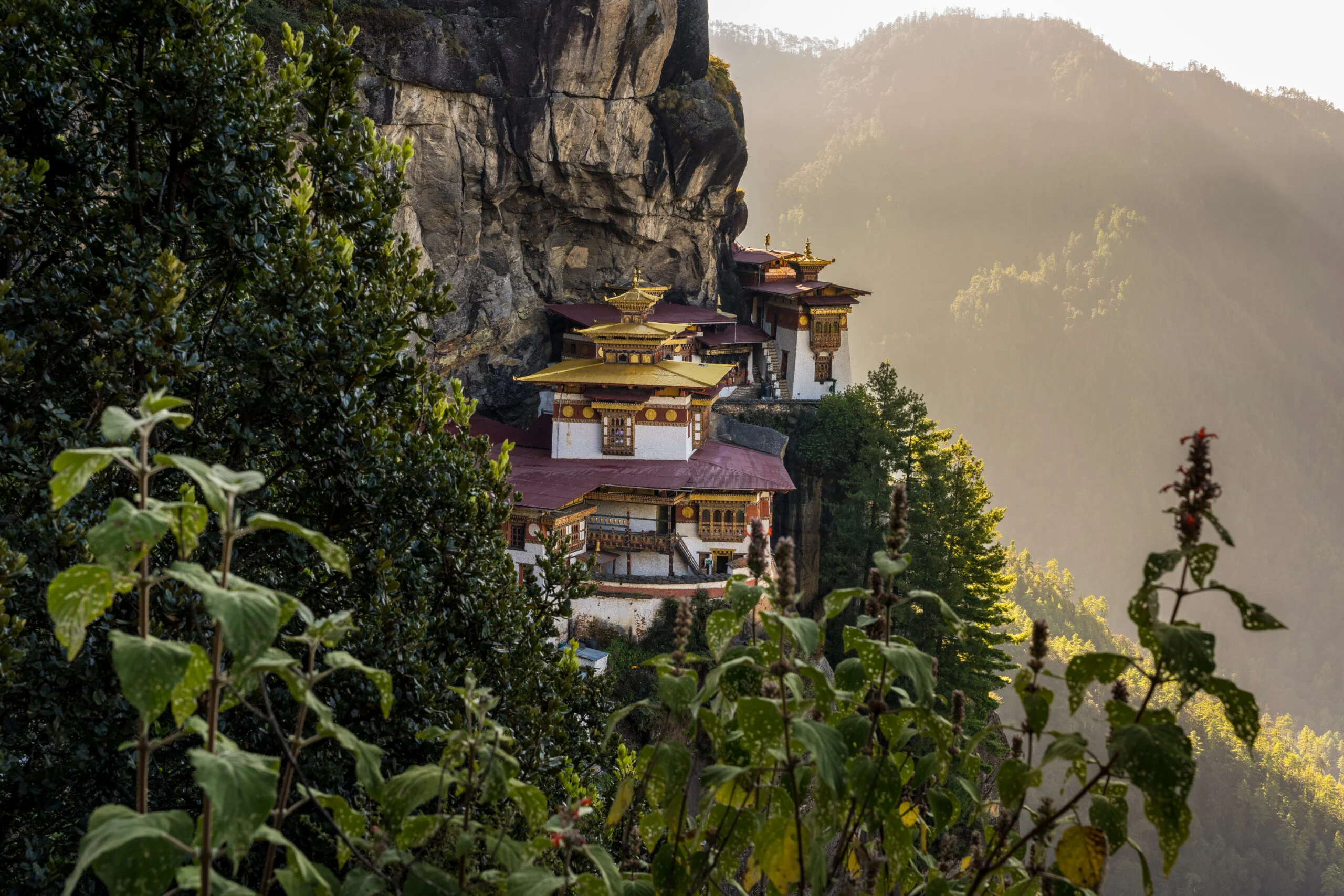
Table of Contents
At a Glance: Bhutan Travel Mistakes Quick Facts
- Mandatory tour operator: All tourists except Indian, Bangladeshi, and Maldivian nationals must book through a licensed Bhutanese operator — independent travel isn’t permitted.
- Sustainable Development Fee (SDF): USD 100 per adult, per night (discounted rate through August 31, 2027); children 6–11 pay USD 50; under 6 travel free.
- Visa fee: USD 40, non-refundable, paid in advance through your tour operator.
- Best travel windows: March–May and September–November, when skies are clear and festivals are frequent.
- Payment method: Wire transfer only — Bhutan’s government does not accept PayPal or credit cards for the SDF.
Mistake #1: Skipping a Licensed Bhutan Tour Operator
The single biggest Bhutan travel mistake happens before the trip even begins. Some travelers assume they can book flights and hotels independently the way they would for Thailand or Vietnam. Bhutan doesn’t work that way. Every foreign tourist, aside from those holding Indian, Bangladeshi, or Maldivian passports, must arrange their visa and Sustainable Development Fee through an officially licensed local operator like Bhutan Cultural Tours.
Trying to shortcut this process, or booking through an unlicensed reseller abroad, is one of the fastest ways to have a visa application rejected or delayed. Work with a government-registered operator from day one, and this entire category of Bhutan travel mistakes disappears.
Mistake #2: Underestimating the Bhutan Sustainable Development Fee
Among common mistakes in Bhutan, budgeting is where travelers get caught most often. The Bhutan Sustainable Development Fee currently sits at USD 100 per adult per night, on top of hotels, meals, transport, and guiding. A ten-night trip means USD 1,000 in government fees alone, before a single hotel is booked. Children aged 6 to 11 pay half that rate, and children under six travel free. Layer on the one-time USD 40 visa fee, and it’s easy to see how travelers who only budget for flights and hotels get an unwelcome surprise. Ask your operator for a full, itemized cost breakdown before you commit to dates, so the SDF is never a last-minute shock.
Mistake #3: Trying to Pay With a Credit Card or PayPal
This is one of the more frustrating Bhutan travel mistakes because it’s a paperwork issue, not a money issue. Bhutan’s government requires the SDF and visa costs to be settled by wire transfer, not credit card or PayPal. Travelers who wait until the last week before departure often hit bank delays that push visa approval past their travel date. Start the payment process three to four weeks ahead, and confirm with your operator that funds have cleared before finalizing flights.
Mistake #4: Getting Bhutanese Etiquette Wrong
Bhutan cultural etiquette tips rarely make it into general Asia travel guides, which is exactly why so many visitors stumble here. If you only remember one set of things not to do in Bhutan, make it this section. Public displays of affection beyond simple hand-holding are considered inappropriate. Jokes about the Royal Family or senior clergy are taken seriously and are genuinely offensive, not a minor faux pas.
Aggressive bargaining in markets clashes with Bhutan’s gentler negotiating style; a calm, respectful exchange gets a far better price than pressure ever will. Smoking in public spaces and littering are against the law, not just frowned upon. None of these Bhutan travel mistakes require deep cultural study to avoid — they simply require knowing the rules exist before you arrive.

Dress Code Missteps at Dzongs and Monasteries
Bhutan’s dress code at religious sites is stricter than expected. Shorts, sleeveless tops, and short skirts are turned away at dzong and monastery entrances. Shoulders and knees stay covered, and shoes come off before stepping inside. Pack one modest, layered outfit for monastery visits to avoid a scramble at the gate.
Mistake #5: Packing for the Wrong Bhutan
A Bhutan packing list built for tropical Southeast Asia leads to real discomfort. Even in warmer months, Thimphu and Paro sit at elevations between 2,300 and 2,500 meters, where mornings and evenings turn cold fast regardless of season. Travelers who pack only summer clothing for a spring or autumn trip regret it by the second evening. Layers, a warm jacket, sturdy walking shoes, and sun protection for high-altitude UV exposure belong in every Bhutan packing list, no matter which month you travel. It’s one of the simplest Bhutan travel tips for first-time visitors, and one of the most overlooked.
Mistake #6: Ignoring Altitude and Pacing
Bhutan altitude sickness is a genuine, if often mild, risk that catches travelers by surprise. Paro sits at roughly 2,200 meters and passes on popular routes climb well above 3,000 meters. Rushing straight from arrival into a strenuous hike, particularly the climb to Tiger’s Nest Monastery, is one of the more physically costly Bhutan travel mistakes a visitor can make. Build in an easy first day, hydrate more than feels necessary, and let your guide set a sustainable pace rather than pushing to see everything at once.
Mistake #7: Overpacking the Itinerary
Bhutan rewards a slower pace, and cramming too many destinations into too few days is one of the most common Bhutan trip planning mistakes. Winding mountain roads mean that distances which look short on a map take hours to drive. Trying to cover Thimphu, Paro, Punakha, and Bumthang in under a week leaves almost no time to actually absorb a place, and every transfer becomes rushed. A well-designed operator will build in rest, flexibility, and buffer time rather than back-to-back sightseeing from dawn to dusk.

Mistake #8: Visiting in the Wrong Season
Choosing dates without checking Bhutan’s weather patterns is a classic case of Bhutan travel mistakes with an easy fix. The monsoon months of July and August bring landslides, flight delays into Paro’s mountain airport, and obscured mountain views. March through May and September through November remain the best time to visit Bhutan, offering clearer skies, comfortable temperatures, and the highest concentration of festival dates, including the vivid tsechu celebrations. If specific festivals matter to your trip, confirm the calendar with your operator months in advance, since dates shift slightly each year.
Mistake #9: Assuming Bhutan Is Ultra-Budget Southeast Asia
This is one of the quieter Bhutan travel mistakes — it isn’t about doing something wrong so much as expecting the wrong thing. Bhutan is sometimes marketed alongside Thailand or Vietnam, but the comparison misleads first-time visitors. Between the Sustainable Development Fee, visa costs, and required guiding, Bhutan runs closer to a mid-range or premium destination than a shoestring one. Resolve this common mistake in Bhutan before booking by asking your operator for transparent, itemized pricing rather than comparing headline nightly rates from other countries.
Mistake #10: Forgetting Travel Insurance
Skipping travel insurance is a small oversight that turns into one of the costliest Bhutan travel mistakes if anything goes wrong. Bhutan’s remote terrain and limited medical infrastructure outside Thimphu make insurance essential, not optional. Evacuation from a trekking route can be genuinely expensive without coverage. Confirm your policy explicitly covers high-altitude activity and medical evacuation before departure.
Mistake #11: Not Carrying Enough Local Currency
Currency confusion rounds out our list of common mistakes in Bhutan. Day-to-day spending inside Bhutan runs on the Ngultrum, and ATMs are limited outside Thimphu and Paro. Cards aren’t widely accepted in smaller towns, so carry enough cash for souvenirs, tips, and incidentals once you’re outside the capital.
Mistake #12: Overlooking Trekking Permit Requirements
Travelers who add a trek sometimes assume permits work like the SDF, arranged the moment they land. Bhutan trekking permits must be filed in advance alongside your visa, with specific routes requiring additional clearance. Decide on trekking plans early so your operator can secure permits without delaying your visa.
Mistake #13: Booking Too Close to Departure
Because visas, the SDF, and wire transfers all move through official government channels, Bhutan does not reward last-minute bookings. Processing takes several working days once payment clears, and festival seasons see a surge in applications that extends that timeline further. Starting the booking process six to eight weeks before travel, rather than two, resolves most of the Bhutan travel mistakes on this list before they become a problem.
Insider Tips to Avoid Bhutan Travel Mistakes
Confirm Everything in Writing
Ask your operator for a written itinerary that itemizes the SDF, visa fee, accommodation category, and guide arrangements. This single habit prevents most Bhutan trip planning mistakes before they start.
Build a Buffer Day Into Every Trip
Flights into Paro’s mountain airport are weather-dependent and occasionally delayed. A single buffer day near the start or end of your trip absorbs disruption without threatening the rest of your itinerary.
Learn Ten Words of Dzongkha
You don’t need fluency, but a greeting or two in Dzongkha goes a long way with guides and shopkeepers, and it turns a transactional interaction into a genuinely warm one.
Understanding the Bhutan Sustainable Development Fee upfront is the single best defense against budgeting mistakes, so here’s exactly how the numbers break down for a typical week-long trip.
Bhutan Trip Cost Breakdown (Per Person, 7 Nights)
| Cost Item | Approximate Amount |
|---|---|
| Visa fee (one-time) | USD 40 |
| Sustainable Development Fee (7 nights) | USD 700 |
| Mid-range accommodation, meals, guide, transport | USD 1,300–1,900 |
| International flights to Paro | USD 400–900 (route dependent) |
| Estimated total | USD 2,440–3,540 |
Frequently Asked Questions
What is the most common Bhutan travel mistake?
The most common Bhutan travel mistake is underestimating the total trip cost by forgetting the Sustainable Development Fee. Many travelers budget only for flights and hotels, then are surprised by the USD 100 per night government fee that applies on top of everything else.
Can I travel to Bhutan without a tour operator?
No, with the exception of Indian, Bangladeshi, and Maldivian citizens, every foreign visitor must book through a licensed Bhutanese tour operator. This isn’t a minor formality — it’s a legal requirement, and it’s the reason so many other Bhutan travel mistakes are actually preventable, since a good operator handles permits, pacing, and logistics for you.
How much does the Sustainable Development Fee cost in 2026?
The Sustainable Development Fee is currently USD 100 per adult per night, a discounted rate in effect through August 31, 2027. Children aged 6 to 11 pay USD 50 per night, and children under six are exempt entirely.
What should I avoid doing in Bhutan?
Avoid public displays of affection beyond hand-holding, jokes about the monarchy or clergy, aggressive bargaining, smoking in public areas, and inappropriate dress at dzongs and monasteries. These cultural mistakes are easy to avoid once you know the expectations going in.
When is the best time to visit Bhutan to avoid weather problems?
March through May and September through November are the best time to visit Bhutan, offering the clearest skies, most stable flight schedules into Paro, and the richest festival calendar. The July–August monsoon season brings the highest risk of delays and landslides.
Is Bhutan too expensive for a first-time visitor?
Bhutan costs more upfront than many Southeast Asian destinations because of the mandatory SDF and guided-tour requirement, but that fee funds conservation and community programs and comes with a well-organized, uncrowded trip. Planning with a transparent operator avoids the sticker shock behind most Bhutan travel mistakes around budgeting.

Final Thoughts: Avoid These Bhutan Travel Mistakes and Travel With Confidence
Nearly every one of these thirteen Bhutan travel mistakes comes down to the same root cause: not knowing Bhutan’s rules are genuinely different from the rest of Asia. Book through a licensed operator, budget honestly for the Sustainable Development Fee, respect local etiquette, pack for altitude rather than the calendar, and give your itinerary room to breathe. Do that, and the Bhutan travel mistakes that trip up so many first-time visitors simply won’t apply to you.
Bhutan Cultural Tours has guided travelers through every one of these decisions for years, from securing visas and SDF payments to building itineraries that balance ambition with Bhutan’s unhurried pace. If you’re ready to start planning a trip that avoids every mistake on this list, reach out to Bhutan Cultural Tours today and start planning your Bhutan journey with a team that knows the kingdom from the inside out.


