When most travelers picture the Himalayas, they imagine crowded tourist trails and commercialized temples. But Bhutan is different. This mountain kingdom tucked between Tibet and India feels like stepping into another century—where ancient monasteries cling to impossibly steep cliffs, monks chant prayers in thousand-year-old temples, and the air itself seems to whisper stories of spiritual wisdom. If you’re searching for the best places in Bhutan, you’re not looking for a typical vacation. You’re looking for something that will reshape how you see the world.
Table of Contents
I’ve spent years exploring this remarkable kingdom, and what strikes me most isn’t the iconic Instagram-famous spots—though they’re breathtaking. It’s the authenticity that permeates everything. Unlike many Asian destinations, Bhutan has intentionally chosen what it calls “High Value, Low Volume” tourism. They don’t want crowds. They want thoughtful travelers who respect the culture. This guide reveals the best places in Bhutan that embody this philosophy: places where you’ll feel the weight of centuries, the pulse of living Buddhism, and the raw beauty of untouched mountain landscapes.
Quick Facts About the Best Places in Bhutan:
- Only 315,000 tourists visited Bhutan in 2024—fewer than Disneyland receives in four days
- Tiger’s Nest Monastery sits 900 meters above the valley floor (requires 2-3 hour hike)
- Punakha Dzong was built in 1637 and still functions as a government seat
- Thimphu is the world’s only capital with no traffic lights
- Best travel seasons: September-November (autumn) and April-May (spring)
- Minimum visit duration: 5-7 days recommended for major attractions
- Sustainable Development Fee (SDF): $100 USD per day (mandatory for all tourists)
1.Paro Valley and Tiger’s Nest Monastery: Bhutan’s Most Sacred Pilgrimage
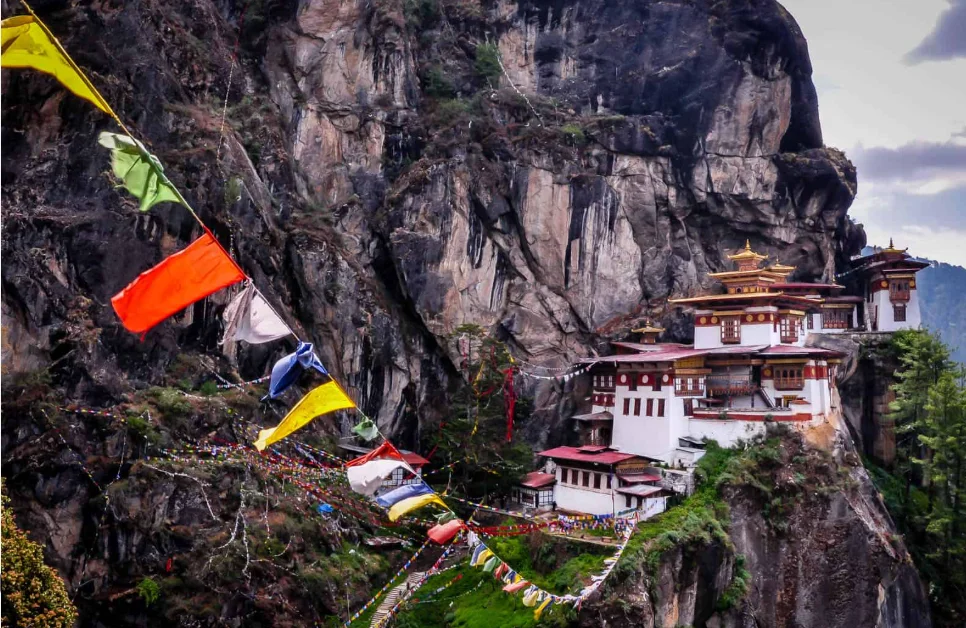
Every conversation about the best places in Bhutan begins with Tiger’s Nest. Officially known as Taktsang Palpug Monastery, this 17th-century fortress clings to a granite cliff 3,120 meters above sea level in the Paro Valley. The monastery’s name comes from legend—the spiritual master Padmasambhava, known as the “Second Buddha,” is said to have arrived here riding on the back of a flying tigress in the 8th century to meditate in the cave that now anchors the complex.
Walking the trail to Tiger’s Nest is less a hike and more a pilgrimage. The path winds through pine forests, past prayer flags that flutter in mountain winds, and alongside local Bhutanese pilgrims making their own spiritual journeys. Most people complete the trek in 2-3 hours, though the steep final approach can be challenging at altitude. What makes this one of the best places in Bhutan isn’t just the architectural feat of how it was constructed in such an impossible location—it’s the overwhelming sense of sacred presence you feel standing before it.
The monastery contains three main temples and houses monks who continue centuries-old meditation practices. The main temple features stunning murals depicting Buddhist teachings, and many visitors report feeling a tangible spiritual energy within its walls. Beyond the monastery itself, the Paro Valley offers additional attractions including Kyichu Lhakhang (a 7th-century temple) and the Paro Dzong, a 17th-century fortress-monastery that now serves as the district administrative center.
Practical Insider Tips for Tiger’s Nest:
- Arrive by 7:30 AM to avoid afternoon crowds and clouds obscuring views
- The midway teahouse serves traditional butter tea—try it for authentic experience
- Wear proper hiking boots; the trail becomes muddy and slippery in monsoon season (June-August)
- Shoulder and knee coverage required inside temples; plan clothing accordingly
- Photography restricted inside temples to preserve spiritual sanctity
2.Thimphu: Exploring Bhutan’s Unique Capital Without Traffic Lights

Thimphu stands as one of the most unusual capitals in the world. This city of 100,000 people nestled in a Himalayan valley actively resists modernization. There are no traffic lights, no fast-food chains, no billboard advertisements, and no buildings allowed above five stories. For travelers seeking the best places in Bhutan’s cultural heart, Thimphu rewards slow, deliberate exploration.
The centerpiece of Thimphu is the Tashichho Dzong, a fortress-monastery that blends government offices with active temples. Built in 1641 and completely reconstructed in the 1960s-70s, this architectural marvel features traditional Bhutanese design with white-washed walls, golden roofs, and intricate wooden details. The dzong’s central courtyard hosts sacred dances and ceremonies throughout the year, making it a living center of Bhutanese culture rather than merely a historical artifact.
Walking through Thimphu reveals why this city consistently ranks among the best places in Bhutan for cultural immersion. The National Folk Heritage Museum preserves traditional Bhutanese farmhouses and demonstrates how families lived for centuries. The Textile Museum showcases the gho (traditional male skirt) and kira (traditional female dress), both required dress for Bhutanese government employees. These aren’t sterile museum displays—they’re windows into a living culture that continues unchanged in many rural areas.
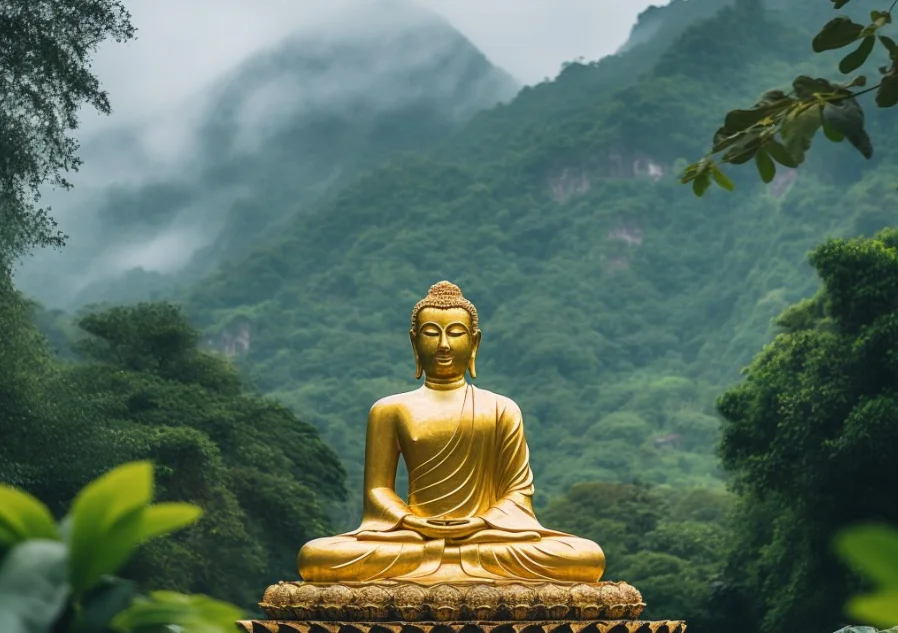
The Buddha Dordenma statue dominates the southern hills overlooking Thimphu. Standing 51 meters tall and gilded in gold, this 2008 statue contains 100,000 smaller Buddha statues within its chambers. Hiking to the statue offers panoramic views of Thimphu Valley and the opportunity to join Bhutanese pilgrims performing clockwise circumambulation of the statue—a spiritual practice believed to accumulate merit.
Hidden Thimphu Experiences Beyond the Guidebooks
The weekend farmers market (Saturdays and Sundays) reveals authentic Bhutanese life—local vendors sell homemade cheese, chili peppers, wild mushrooms, and seasonal produce. The smell of incense, the rhythm of local language, the colors of traditional dress—this is where real Thimphu lives. Spend time here, eat street food, talk with vendors. This is how you truly understand the best places in Bhutan.
3.Punakha Dzong: The Palace of Great Happiness

Punakha represents everything dramatic about Bhutanese architecture. This 17th-century fortress-monastery sits at the confluence of two rivers—the Mo Chhu and Pho Chhu—creating a naturally defended position surrounded by water on three sides. Known as the “Palace of Great Happiness,” Punakha Dzong has served as the winter seat of Buddhist leadership and remains one of the most photographed structures in all of Bhutan.
What makes Punakha among the best places in Bhutan is its sheer presence. The white-washed walls seem to glow against the valley backdrop, especially during spring when jacaranda trees bloom purple around the complex. Inside, the dzong contains 224 rooms, numerous courtyards, and temples that still function as active religious spaces. You’ll encounter monks studying ancient texts, performing rituals, and maintaining traditions unbroken for four centuries.
The walk from the dzong’s entrance requires crossing an ancient covered bridge over the Mo Chhu River. This bridge has functioned continuously since construction, serving as both practical passage and spiritual threshold. Many Bhutanese still perform circumambulation around the dzong’s perimeter—a walking meditation that outsiders can join respectfully.
Nearby, the Chimi Lhakhang temple sits perched on a hilltop overlooking Punakha Valley. This fertility temple is unlike any religious site in the world—legend claims that a “divine madman” blessed the region, and women visit hoping to conceive. The 45-minute hike through farmland and prayer-flag-lined trails to reach this temple offers intimate contact with rural Bhutanese life that tourists rarely experience.
4.Phobjikha Valley: Where Endangered Cranes Winter in Silence
Phobjikha represents the best places in Bhutan for travelers seeking profound silence and natural beauty. This vast, glacial valley sits at 3,000 meters elevation, opening wide in a country of steep, dramatic mountains. Unlike most Bhutanese valleys, Phobjikha feels expansive, peaceful, and deliberately protected.
The valley’s significance lies in its annual winter arrival of black-necked cranes—endangered birds that migrate from the Tibetan plateau from November through March. These cranes, considered sacred in Bhutanese Buddhism, return to the same valley each year in a synchronized migration that feels spiritual in nature. Watching 300-400 of these magnificent birds arrive at sunset, silhouetted against snow-capped peaks, represents one of nature’s most profound moments.
The valley supports this wildlife through strict conservation practices. Building development remains intentionally limited. The community practices sustainable agriculture on the flat valley floor, growing white potatoes and local crops using methods unchanged for generations. The Gangteng Monastery overlooks the valley, serving both as a spiritual center and symbol of the harmony between human settlement and wildlife preservation.
For travelers, Phobjikha means embracing slow travel. The 6-7 hour drive from Thimphu tests your patience, but that remoteness is precisely what makes it one of the best places in Bhutan. You’ll find simple accommodations, minimal tourism infrastructure, and genuine encounters with Bhutanese people living traditionally. There are hiking trails through the valley, birdwatching opportunities, and the simple pleasure of watching light change across vast open space—a rare experience in mountainous Bhutan.
5.Bumthang Valley: The Spiritual Heartland of Buddhism

If Paro is Bhutan’s face and Thimphu its administrative center, Bumthang is its soul. Located in central Bhutan, this remote valley represents where best places in Bhutan converge with authentic spiritual practice. Bumthang is relatively inaccessible—a 7-hour drive from Thimphu over winding mountain roads—which has preserved its character in ways more accessible regions cannot match.
The valley contains numerous temples and monasteries steeped in legend. Kurje Lhakhang is considered one of the holiest sites in all of Bhutan. The temple complex contains three main structures, the oldest built in the 7th century when the spiritual master Guru Rinpoche visited the valley. Inside, you’ll find imprints of Guru Rinpoche’s body miraculously preserved in cave rock—a sight that continues to draw pilgrims from across the Buddhist world.
Jambey Lhakhang, built in 7th century, sits nearby and hosts one of Bhutan’s most significant festivals—the Jambey Lhakhang Drupchöd, celebrated in October. This festival features the unusual “Naked Dance,” an ancient fertility ritual where men and boys dance wearing only brief loincloths, creating a celebration that confuses outsiders but represents deep continuity in Bhutanese culture.
The Tamshing Lhakhang temple’s walls bear some of the oldest Buddhist paintings in Bhutan, dating to the 16th century. These murals tell stories of Buddhist teachings with such detail and artistry that studying them requires hours of careful attention. The temple founder, Terton Pema Lingpa, was a Buddhist treasure revealer—a spiritual master who discovered hidden teachings meant to guide people through specific historical periods.
6.Trongsa: The Historic Gateway to Eastern Bhutan

Trongsa occupies a geographically and historically significant position—it’s the main connection point between western and eastern Bhutan, sitting where major trade routes converge. The town centers around Trongsa Dzong, built in 1644 and cascading down steep hillsides in a way that seems to defy gravity. This fortress served as the power base of the Wangchuck dynasty, Bhutan’s royal family, making it one of the best places in Bhutan for understanding the country’s political and spiritual history.
Unlike the more polished dzongs in western Bhutan, Trongsa feels organic and lived-in. Monks continue daily practices within its chambers. Government officials work in its administrative wings. The dzong hasn’t been museumified or overly restored—it exists as a functioning center of power and spirituality.
The drive to Trongsa crosses Pele La Pass (3,300m), one of the highest motorable mountain passes in Bhutan. From the pass, visibility permitting, you can see the dramatic landscape that shaped Bhutanese history—isolated valleys, snow-capped peaks, and terrain so challenging that it historically protected the kingdom from invasion.
7.Dochula Pass: Mountain Views That Change Everything
Dochula Pass sits between Thimphu and Punakha, functioning as both a practical mountain crossing and one of the best places in Bhutan for understanding why this country feels spiritually charged. At 3,150 meters elevation, the pass features 108 chortens (Buddhist monuments) built to commemorate fallen soldiers. Prayer flags flutter from every available surface, their colors fading in mountain wind as prayers dissolve into the universe according to Bhutanese belief.
On clear days, Dochula offers 360-degree views of Himalayan peaks, including peaks in Tibet. But what makes this among the best places in Bhutan isn’t the views alone—it’s the meditative energy created by thousands of prayer flags, the chanting of pilgrims performing circumambulations, and the palpable sense of spiritual devotion embedded in every stone and cloth.
Local restaurants at the pass serve traditional Bhutanese cuisine and butter tea, warming you while you absorb the landscape. Spending 2-3 hours here, walking among the chortens, joining in the rhythm of circumambulation, fundamentally shifts your perspective.
Bhutan’s Best Places for Different Travel Styles
For Culture Enthusiasts: Bumthang Valley and Thimphu offer the deepest cultural immersion with accessible monasteries, living traditions, and significant historical sites. Five to seven days allows meaningful engagement with Buddhist practices.
For Nature Lovers: Phobjikha Valley and Gangtey area prioritize pristine wilderness, wildlife viewing, and hiking through untouched mountain landscape. Best visited October-March when black-necked cranes arrive.
For Spiritual Seekers: Tiger’s Nest Monastery and Kurje Lhakhang offer pilgrimage experiences with genuine spiritual atmosphere and active religious practice maintained by monastic communities.
For History Buffs: Punakha Dzong and Trongsa Dzong represent architectural masterpieces and centers of political power where Bhutanese history was actively shaped.
For Adventure Travelers: Multiple trekking routes from Paro to Bumthang, including the Druk Path Trek, offer wilderness experiences without heavily developed trail infrastructure.
When to Visit the Best Places in Bhutan: Seasonal Wisdom
Autumn (September-November): This season ranks as the best time to visit Bhutan. Temperatures are cool and clear, mountain visibility is exceptional, and major festivals occur throughout the valley. The clarity of light makes photography spectacular. Disadvantage: this is peak season, so crowds increase at major attractions.
Spring (April-May): Rhododendron flowers blanket hillsides in brilliant magenta. Temperatures warm gradually. Disadvantage: afternoon clouds increase, occasionally obscuring views.
Summer (June-August): Monsoon rains drench central and southern regions. Cloud cover blocks mountain views. Some trekking routes become muddy and dangerous. Advantage: fewer tourists, lower prices, and local festivals occur with authenticity.
Winter (December-March): Clear skies and excellent visibility. Black-necked cranes winter in Phobjikha Valley. However, northern regions receive snow, and some high-altitude areas become inaccessible. Early mornings are frigid.
Planning Your Itinerary Through the Best Places in Bhutan
5-Day Itinerary: Paro → Tiger’s Nest → Thimphu → Dochula Pass → Punakha Dzong. This covers the western highlights accessible to first-time visitors with limited time.
7-Day Itinerary: Add Phobjikha Valley or begin traveling toward Bumthang. This allows deeper engagement with culture while maintaining a realistic pace.
10-14 Day Itinerary: Include Bumthang Valley, Trongsa, and eastern regions. This permits genuine spiritual immersion and encounters with less-visited temples and villages.
All itineraries should be booked through licensed tour operators. Bhutan Cultural Tours specializes in customized journeys that balance bucket-list attractions with encounters that authentic travelers seek—less-known temples, village homestays, and interactions with monastic communities that change how you understand Buddhism.
Practical Information for Visiting the Best Places in Bhutan
Entry Requirements: All tourists need visas arranged through licensed tour operators. Bhutan doesn’t issue independent travel—group tours or arrangements through operators like Bhutan Cultural Tours are mandatory.
Daily Costs: The Sustainable Development Fee (SDF) is 100 USD per person daily. Accommodation, meals, guide services, and transportation are additional. Total daily costs typically range 200-350 USD depending on accommodation level.
Transportation: The only international airport is in Paro. Flights arrive from Bangkok, Delhi, Dhaka, and Kathmandu. Internal transportation relies on vehicle travel over mountain roads. Domestic flights exist but are expensive.
Best Accommodation Philosophy: Choose mid-range to upscale hotels that support local employment and authentic experiences. Basic hotels offer budget options. Luxury lodges provide premium experiences at higher costs.
Responsible Visiting Practices: Respect temple dress codes (shoulders and knees covered). Remove shoes and hats before entering inner temple sanctuaries. Ask permission before photographing people. Maintain silence in meditation halls.
Frequently Asked Questions About the Best Places in Bhutan
Q1: How many days do I need to visit the best places in Bhutan?
A minimum of 5-7 days allows visits to Paro, Thimphu, and Punakha—the western triangle where most major attractions cluster. To include Phobjikha Valley or Bumthang, plan 10-14 days. Longer stays permit treks, remote valleys, and deeper cultural engagement that transformative Bhutan experiences require.
Q2: Can I visit the best places in Bhutan independently without a tour operator?
No. Bhutan’s government requires all international tourists to book through licensed tour operators who arrange visas, accommodation, and guided experiences. This policy, combined with the Sustainable Development Fee, ensures tourism sustainability and benefits local communities directly.
Q3: What makes the best places in Bhutan different from other Asian destinations?
Bhutan’s “High Value, Low Volume” tourism philosophy intentionally limits visitor numbers to preserve culture and environment. Tourism is controlled rather than commercialized. Monasteries remain functioning spiritual centers, not museum exhibits. Bhutanese people continue traditions unbroken for centuries rather than performing culture for tourist consumption.
Q4: Is Tiger’s Nest Monastery accessible if I’m not a strong hiker?
Tiger’s Nest demands moderate fitness and altitude acclimatization. The 2-3 hour trek involves sustained uphill walking at altitude (3,120m final elevation). Visitors with altitude sickness, knee problems, or limited fitness should consult guides about alternative viewing points or partial-distance trekking.
Q5: What is the single most transformative experience at the best places in Bhutan?
This differs for every traveler, but the most commonly reported experience is attending an evening prayer ceremony at an active monastery—hearing chanting reverberate through ancient stone chambers, seeing butter lamps flicker across painted walls, feeling the profound silence that settles afterward. These moments reveal why Buddhist monasticism continues unbroken in this kingdom.
Q6: How does visiting the best places in Bhutan with a tour operator actually work?
Tour operators coordinate your entire experience—visas, flights, accommodation, guides, transportation, and meals. Your guide becomes your cultural interpreter and safety net, explaining not just historical facts but spiritual significance and current cultural context. Quality guides transform observation into genuine understanding.
Q7: What’s the biggest mistake tourists make at the best places in Bhutan?
Rushing. Travelers often try cramming too many locations into limited days, missing the meditative quality that makes Bhutan transformative. Spend extra time in single locations. Sit quietly in temple courtyards. Walk among prayer flags without agenda. This country rewards slowness.
Conclusion: The Spiritual Heart of the Himalayas Awaits
The best places in Bhutan aren’t merely destinations—they’re gateways to a fundamentally different way of living and being. In a world obsessed with optimization and accumulation, Bhutan practices balance and sustainability. In a region where tourism has often eroded cultural identity, Bhutan has protected it. The best places in Bhutan therefore carry meaning beyond scenic beauty or architectural impressiveness. They represent proof that another approach is possible.
Whether you stand before Tiger’s Nest Monastery watching light paint the cliffside gold, walk through Punakha Dzong’s ancient courtyards feeling centuries of devotion, or sit in silence in Phobjikha Valley watching endangered cranes return from migration, you’re not simply visiting tourist attractions. You’re participating in something sacred, something preserved, something true.
Your journey through the best places in Bhutan with Bhutan Cultural Tours becomes more than a vacation. It becomes a pilgrimage that changes how you understand spirituality, culture, and what matters in a life well-lived. The mountains are waiting. The monasteries are ready. Bhutan’s essence is calling—are you ready to answer? Book your dream trip with Bhutan Cultural Tours today and discover why travelers return from this kingdom transformed. Your authentic Himalayan journey begins now.