
11 Days Village Bhutan Walking Tour
Places You’ll See
Introduction
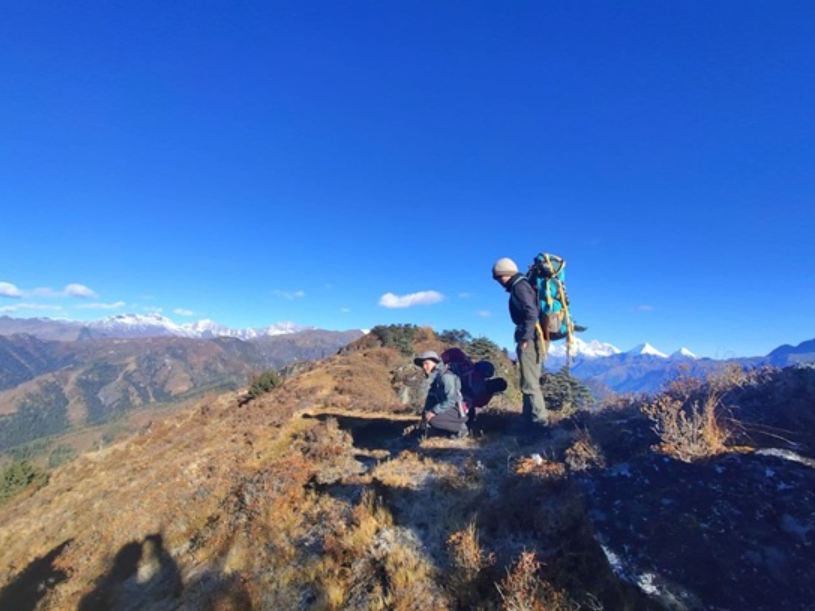
This 11 days hiking trip features various day hikes in and around Western and Central Bhutan. This Village Hike Tours in Bhutan will take you close to many villages, monasteries, panoramic Himalayan views, varieties of birds, flora and fauna. As you walk through the villages, you get to mingle with Bhutanese people and learn about authentic Bhutanese life. This itinerary fuses cultural sightseeing and adventurous hiking through villages, farmland filled with breathtaking scenery and landscapes. To book this trip, write to BCT. Bhutan has so much to offer and this will be a travel knowledge for you.
Itinerary
Fly on the wings of the Dragon to Bhutan, on arrival in Paro International Airport, complete the immigration formalities and exit through only one arrival gate where HBT dedicated team who will be holding placard, no one will be missed. We welcome with khaddar and proceed to Thimphu which will take about an hour and half. The route will follow Paro River until Chuzom from where we will bend towards Thimphu river taking us to the heart of capital city Thimphu. The entire stretch of drives is very scenic and picturesque as we pass by some of the beautiful villages of Bondey, Shaba, Isina etc until we enter welcome gate in Thimphu.
If time permits, we will do Wangditse hike: The trail heads up for a while and drops down gently through oak, blue pine and rhododendron until you will reach Wangditse monastery. The view of Tashichodzong, Thimphu city, and Buddha statue is stunning from here. The hike to the temple is easy and takes about 45-60 minutes. Explore the town: Walking through the city gives you immense joys and understanding of modern city. Good option for imported garments and local souvenir, beside unique local handicrafts. Thimphu offers mixed style of personalities taking the street walk in Thimphu- only city in the world without traffic lights. Overnight in Thimphu, altitude 2400m
Thimphu- This bustling little city is the main centre of commerce, religion and government in the country. Thimphu is the most modern city with an abundance of restaurants, internet cafes, nightclubs and shopping centers. However it still retains its cultural identity and values amidst the signs of modernization, often referred as world only city without traffic lights.
Phajoding Hike: Full day trek excursion to Phajoding with picnic lunch and meditating inside in one of the most scared and silent temples in Bhutan. The hike starts from Motithang near takin’s mini zoo. The first 30 minutes’ walk in the deep blue pine forest surrounded by bushes and lemon grass will open up our breadth. After 2 hour walk uphill, a chorten dotted in an open area will come into view and soon after 30 mins pull up from the chorten finally will take us to a place where we can see few houses and old temples around and this is called Phajoding.
The view in the south is breathtaking. Visit quiet temples of Phajoding after the lunch before we descent down the valley back to our car. View of the Thimphu city is amazing from here. Buddha viewpoint: The Buddha Dordenma is located at a top of the hill in Kuensel Phodrang Nature Park and overlooks the southern entrance to Thimphu valley. Overnight in Thimphu
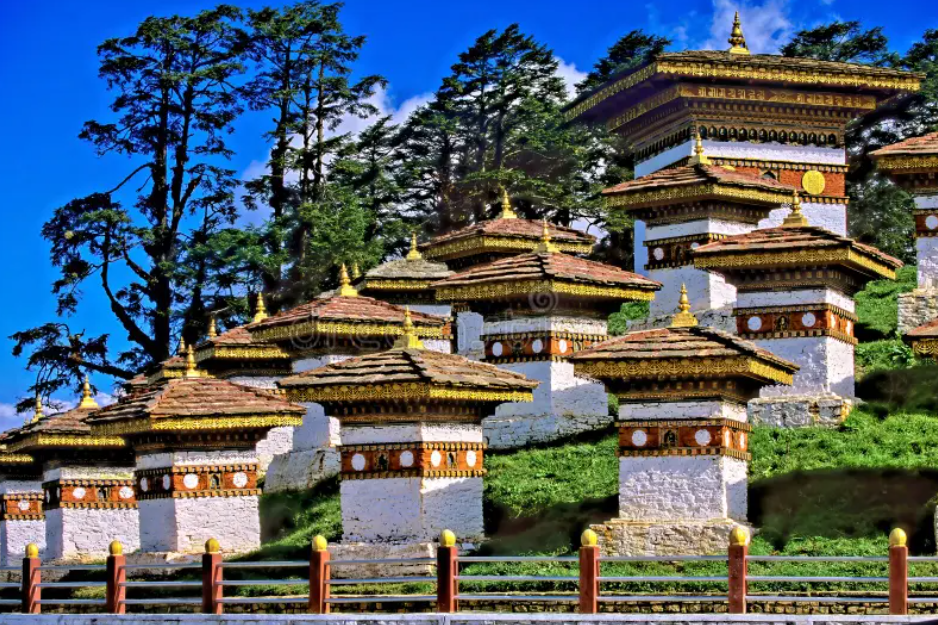
Start the most scenic drive to Punakha from Thimphu over dochula pass which takes about two hours. After the break at Dochula, the road descends into Wangdue and Punakha taking us to one of the warmest places of Bhutan. Dochula pass 3150m: The pass is at a popular location as it offers a stunning 180 degree panoramic view of the Great Himalayan mountain ranges. The view is especially scenic and very clear on winter days with snowcapped mountains forming a majestic backdrop to the tranquility of the 108 chortens gracing the mountain pass.
Lungchutse Hike: This is one of the most rejuvenating and picturesque hikes in Bhutan. It can be done as a loop starting from Dochula to Lungchutse Gomba. At Lungchutse one can enjoy 360° view of the Himalayan mountain range. You will start your hike from the large Chorten in the middle of Dochula, the pass between Thimphu and Punakha at 3140 meters (10300 feet) above sea level. From here the trail which is of 2 hours uphill slowly climbs a ridge through a forest of hemlock, birch and rhododendrons until reaching an open meadow. Again, you will enter into forest of moss-covered rhododendrons, gigantic hemlocks, junipers, and bamboo undergrowth.
A small trail leads you the last 50 meters past a row of fluttering prayer flags up to Lungchutse temple. On clear days, the view from the temple is fantastic! You will have a 360° view of the Himalayas including views of Jumolhari, Masang Gang in the region of Laya, Zongophu Gang – a table mountain that dominates the isolated region of Lunana and Gangkhar Puensum, the highest peak in Bhutan and the highest unclimbed peak in the world. You can also see Gasa Dzong, as a tiny white speck in a sea of green almost 50 kilometers to the north.
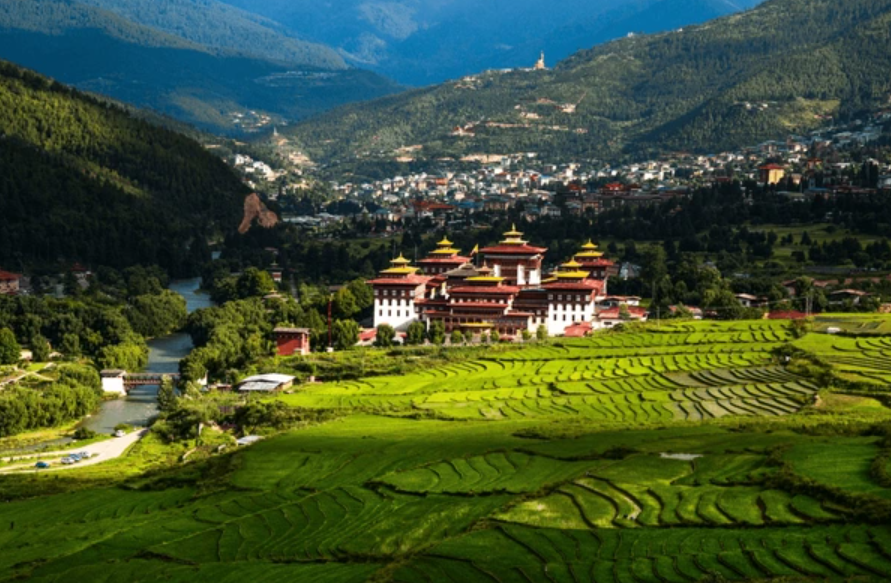
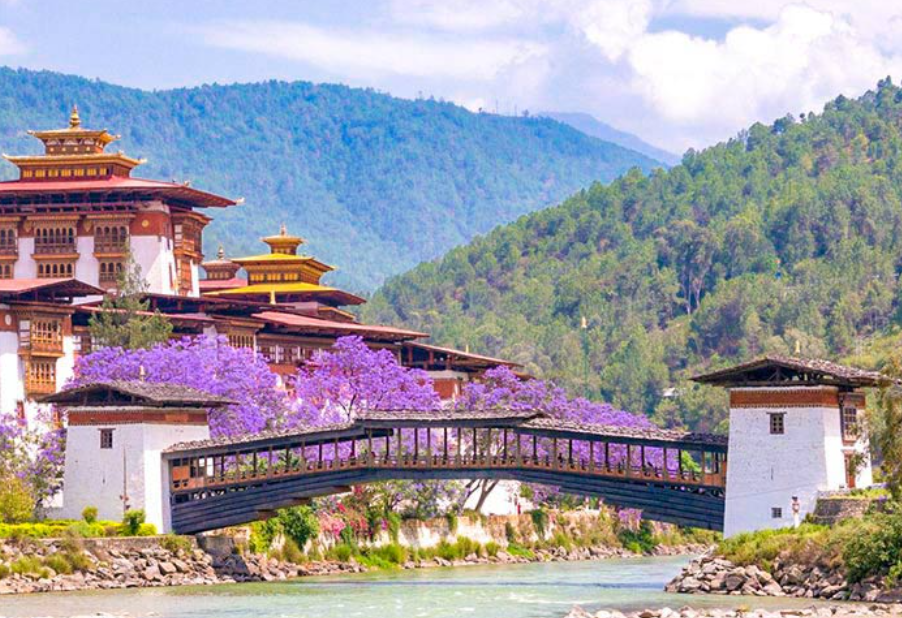
Punakha Dzong: Built in 1637 by Zhabdrung Ngawang Namgyal, the Dzong was named Druk Pungthang Dechen Phodrang (Palace of Great Happiness). Punakha is still the winter residence of Je-Khenpo religious head of Bhutan. King Jigme Dorji Wangchuck convened the first National Assembly here in 1952. This is one of the finest and must see Dzongs of Bhutan. The Dzong stands inbetween meeting point of two rivers, Phochu and Mochu making the most photogenic Dzongs of Bhutan. Overnight in Punakha, altitude 1350m
unakha is often referred as second capital having best Dzongs of Bhutan. Punakha has the perfect place to awaken the nature lover, take in the splendid views of the Himalayas and listen to the sounds of the Mo Chhu and Po Chhu rivers that simply soak up the serene beauty of this gorgeous valley.
Khamsum Yulley to Punakha Dzong old route hike: If you are up for a combination of visits to the beautiful Khamsum Chorten, the old hilltop temple Giligang and Punakha Dzong, with the opportunity to experience stunning views of the valleys on both the Mo Chhu and Po Chhu side, this is an enjoyable yet challenging hike. It will take about 3-4 hrs walk through the villages.
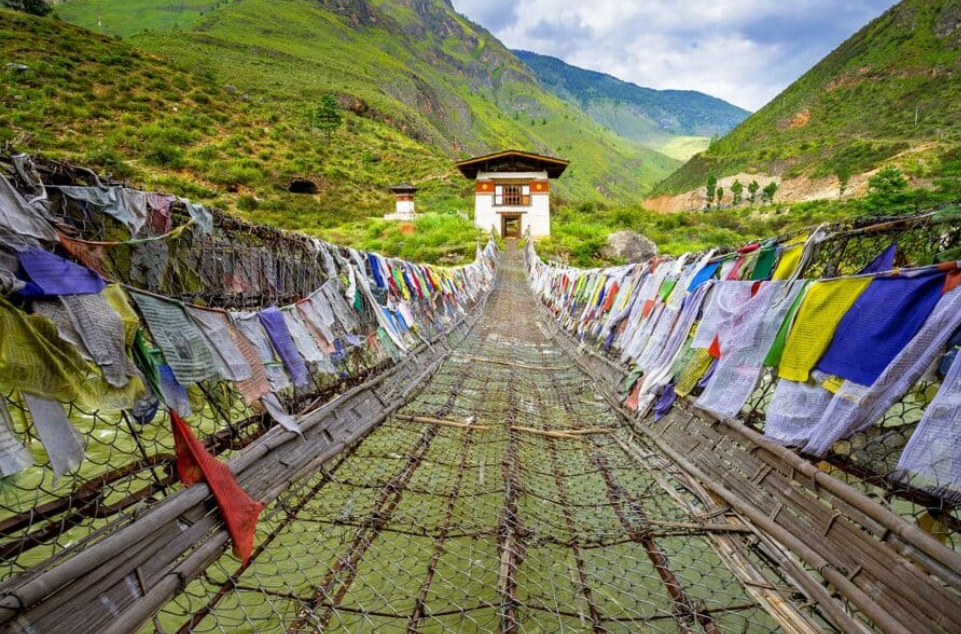
Enjoy the walks on the suspension bridge: Punakha suspension bridge is considered one of the longest of its kind in Bhutan. The bridge connects the dzong with the villages Shengana, Samdingkha and Wangkha on the other bank of the Po Chhu river. In these small villages, locals sell their wares in tiny, traditional shops. Visitors can stop here for a quick and authentic view of true Bhutan. In order to access the suspension bridge from the dzong, one must walk past the King’s palace and the cremation ground. Overnight in Punakha
The drive though newly constructed road is quite smooth however some of the stretches are still under maintenance. The drive will pass through abundant natural beauty, spectacular landscapes, rich flora and fauna, breath taking hills and snowcapped mountains and iconic Buddhist monasteries. Enjoy the drive through a region of diverse people with unique dialects, dress, food and lifestyle. Today we will be crossing Wangdue, Trongsa and over two passes up until we reach Bumthang. Hike to Chimi Lhakhang, the temple of fertility: This temple is known as the temple of fertility. It is widely believed that childless couples can visit this temple to pray for better fertility to conceive the child. There are stories and incidences that many visitors dream came true however one must truly need to believe and follow the lama’s instruction. The hike though the lovely villages of Mesina gives truly amazing experience. The hike to the temple takes about 30 minutes one way uphill. Enjoy the gentle walks from the road head. Trongsa Dzong: This is the largest Dzong (fortress) in Bhutan, located in the centre of the country. The Dzong is beautifully built on a spur overlooking the gorge of the Mangde Chhu River. The Dzong played very crucial role in the ancient history in protecting Bhutan and its sovereignty. The ruler of Trongsa Dzong was the most powerful leader to form Wangchuk Dynasty in the Kingdom of Bhutan. Trongsa Museum: The watch tower was built in 1652 by first Governor of Trongsa. This was built to oversee and safeguard the Trongsa Dzong from any invading forces. Today it houses the Royal Heritage museum. The displays in the museum focused on Buddhist art and Royal memorabilia. Yotongla pass: The pass divides Trongsa and Bumthang districts. This is one of the highest motor-able road pass at the height of 3460m. The pass is covered with mist and prayer flags most of the time. Overnight in Bumthang, altitude 2600m
Bumthang is the religious heartland of the nation and home to some of its oldest Buddhist temples and monasteries. It is famous for its brightly coloured distinctive woolen item called Yathra and district formed by four valleys. Jakar Dzong or the “Castle of the White Bird”- Dominates the Chamkhar valley and overlooks the town, 3km 1.2 miles away from Chamkhar town.
Jampay Lhakhang- One of the oldest temples built in the country. This is the home of the naked dance that is still performed annually. It is believed that the temple is built in 7th century by Songtsen Gonpo of Tibet. Kurjey Lhakhang- The site where Guru Padmasambhava left the body imprint on the rock behind the temple. Visit for its artistic works and amazing structure.
Kharchu Dratsang Monastery- This is an amazing experience to see monks chanting the mantras. The monastery has become part of an extensive effort to preserve and revitalize Bhutanese culture and heritage. Tamzing Lhakhang- Tamshing Lhakhang, founded in 1501 by Pema Lingpa, contains paintings of fundamental interest for the history of painting in this region. Is also one of the oldest temples in the valley.
Swiss Cheese Farm & Red Panda Brewery- The Swiss Farm is established by Mr. Fritz Maurer. The project introduced brewing, farming machinery and fuel-efficient, smokeless wood stoves to the valley, as well as its first tourist guesthouse in Bumthang. Swiss cheese and Bhutan’s only native beer, Red Panda, is brewed here. Overnight in Bumthang.
Starting early from Bumthang will give us more time on roads to enjoy some of the best view points and passes. The journey will pass through Yotongla, Trongsa, Chendebji and Pelala before arriving in Phobjikha the valley of Black Necked Cranes and rhododendron. Gangtey Gompa: The temple built over hill top, headed by Gangtey Tulku the reincarnation of Pema Lingpa. Annual festival of Gangtey is performed in the temple courtyard every year. This is also the place for black necked crane’s festival held every year on 11-Nov, coinciding with His Majesty’s Fourth King’s Birthday.
Gangtey Nature Trail: It is a short and relatively easy trek with several beautiful villages and monasteries en route. It offers beautiful views of the country with mostly gentle, forested slopes. From the temple, take beautiful downhill Gangtey trail talk for two hours and the best time for this trek is between September-May, walk not recommended on rainy days.Farmhouse visit with dinner with locals: This experience is a particularly fun and spontaneous way to connect with the local community and learn about Bhutanese culture and way of living. Overnight in Phobjikha, altitude 2900m
The valley of black necked cranes and rhododendron and is often referred as Asian Switzerland. The natural beauty of the Phobjikha, beautiful home stays and nature adds more value to experience the living style, food habit and culture of the Bhutanese people. Tenkhor Yuetshe Sum Trail: This is a very leisurely and enjoyable walk through small beautiful villages where you will get to see traditional old village life and charming village houses. It is moderate hike which takes about 2-3 hrs. Crane center: This place is run by the Royal Society for Protection of Nature (RSPN) and has an observation room with high-power telescopes and good scope for spotting the famous Black Necked Cranes which migrates to the region during winter. It also displays information about the history of the region. Overnight in Phobjikha
As we say good bye to the Asian Switzerland, we will retrace the journey back to Thimphu crossing over Pelela, Wangdue, Dochula, up until Chuzom and further to Paro. The entire stretch of drive will refresh your mind and give you second chance to enjoy the great snowcapped mountain views of the Himalayas.
Longtey Hike: The path will lead through bush bamboo towards a small cluster of village houses for about 3-4 hrs. There are beautifully colored rhododendron forests on both sides of the valley, and in the winter months, yaks graze in the area. Lampelri Botanical Garden: The park has many varieties of plants, herbs, birds and animals. If you visit between April and June, you can find about 38 out of Bhutan’s 46 species of rhododendrons and spot some of the 220 species birds. This park is one of the must visit place for birds and nature lovers. You may enjoy the hot packed lunch here if you had planned picnic.
Enjoy outdoor activities wearing Gho/Kira, play archery: Nicely made and well maintained activity place attached to whole sell Buddha statue store, offers wearing Bhutanese dress, playing archery and darts for guests visiting Bhutan. The center is maintained and operated by HBT herself and its free of cost for all HBT guests. Overnight in Paro, altitude 2200m.
This picturesque region in the kingdom is covered in fertile rice fields and has a beautiful, crystalline river meandering down the valley. Paro has more of historical sites, high-end tourist resort and many souvenir shops for shopping including world famous Takstang.
Taktsang Monastery (Tiger Nest Temple): is Bhutan’s most iconic landmark and religious Buddhist site in the world. The name Taktsang translates to “The Tiger’s Nest”. The temple is one of the holiest sites in Bhutan which clings impossibly to a sheer cliff face 900 meters above the valley. Although good trekkers can make it to the top in 2 hours, uphill at 30 to 40 degree inclined and most of the guests take whole day to complete the hike.
Kyichu Lhakhang: Temple considered sacred Jewel of Bhutan was established by the Buddhist King Songstsen Gampo of Tibet to overcome the giant ogress that laid across Tibet and Himalayas preventing the spread of Buddhism. The king is believed to have built the temple at the left foot of the enormous ogress. Kichu Lhakhang was among 12 temples in Bhutan out of 108 temples said to have been constructed over single night. Kichu Lhakhang was initially small in size however later, the temple expanded both in grandeur and size to its form that we see today.
Village visit with hot stone bath at the farmhouse: Hot stone bath is very unique to Bhutan and offers great medicinal values. In most cases, the bathtub is made of wood placed on a ground level in quite hut for the privacy. A couple can get into one bathtub to soak. Enjoy the great ancient techniques of curing body ache, joins pain and harness many other values. This is on additional cost check with guide/driver. Overnight in Paro
Departure from the Kingdom of Happiness.
What's Included
Enjoy a comfortable stay in carefully selected hotels during your Bhutan tour. The package includes well-rated 3-star and 4-star hotels that offer clean rooms, warm hospitality, and convenient locations close to major attractions. Travelers looking for a more premium experience can also request luxury 5-star hotels with upgraded services and facilities.
The tour package includes three meals daily, including breakfast, lunch, and dinner. Guests can enjoy meals at both hotels and authentic local restaurants, allowing travelers to experience traditional Bhutanese cuisine along with popular international dishes throughout the journey.
Bhutan visa assistance and travel permit arrangements are included in the package to ensure a smooth and hassle-free travel experience. Our team manages the required documentation process according to Bhutan tourism regulations before your arrival.
All ground transportation during the tour is included. Private vehicles will be provided for airport transfers, sightseeing tours, and travel between destinations, ensuring safe, comfortable, and convenient travel throughout Bhutan.
An experienced local English-speaking tour guide will accompany you during the tour to provide cultural insights, historical information, and assistance throughout the journey, helping you explore Bhutan more deeply and comfortably.
The package includes Bhutan’s mandatory Sustainable Development Fee (SDF) of US$100 per adult, per night. This fee supports Bhutan’s environmental conservation, cultural preservation, and sustainable tourism initiatives.
International airfare and flight tickets are not included in the tour package. Travelers are responsible for booking their own international flights to and from Bhutan.
Laundry, dry cleaning, and other hotel room service charges are not included and will be charged separately according to hotel policies.
Personal expenses such as shopping, beverages, snacks, phone calls, and other individual purchases are not included in the tour package.
Customer Reviews
4.9 / 5
Based on 26K+ reviews

Sarah M.
London, UK
7-Day Cultural Tour,
“Without question the best cultural tours in Bhutan I could have chosen. Our guide Karma arranged a private blessing ceremony at a monastery not on any tourist map. I cried. Best Bhutan tour experience of my life.”

James T.
New York, USA
27 May 2024
10-Day Heritage Tour,
“I’ve done cultural tours across Southeast Asia and nothing compares to this Bhutan travel package. The farmhouse stay alone was worth the entire trip. Already planning to return for the Paro Tshechu next spring.”
Let's Customise Your Dream Bhutan Adventure
Why travellers love planning with us:
- Visa guaranteed — or your money back
- Design your day — change activities even while you're in Bhutan
- Add a vibrant festival — timing around Bhutanese celebrations is pure magic
- Hike more, or hike less — totally your pace
- Experience Bhutan like a local — hot stone bath, cooking session, astrology reading